
Last updated:
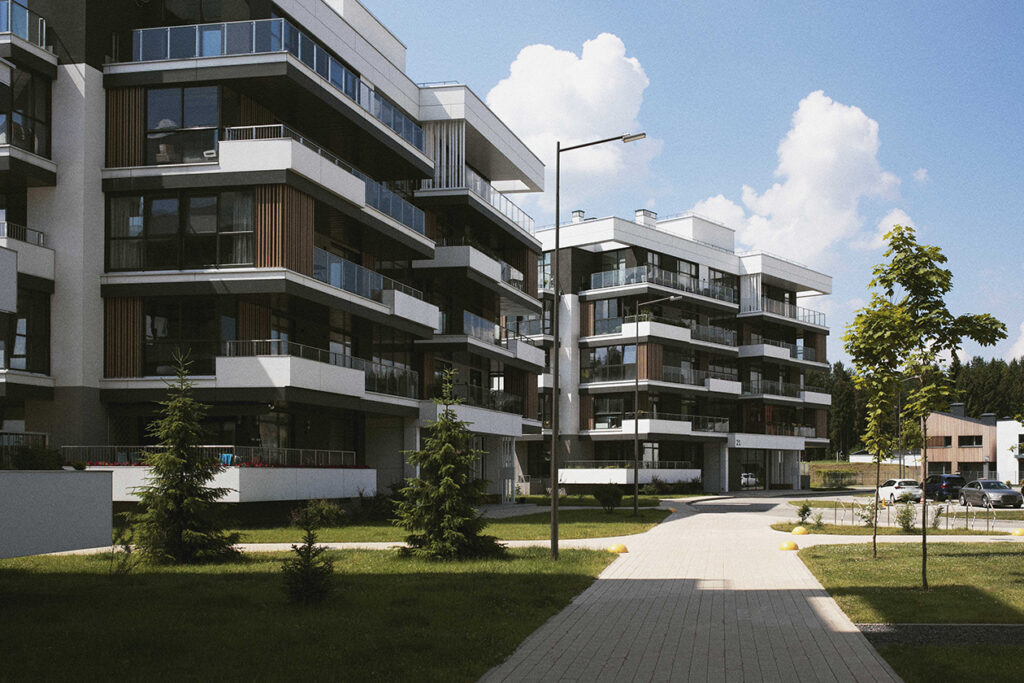
Commercial real estate security is the mix of people, technology and procedures that protects office buildings, retail centers, industrial sites and apartment properties, along with their tenants and visitors. A sound plan layers access control, cameras, lighting and alarms with someone who responds in real time, such as on-site staff or live video monitoring. Monitex Security provides that live layer: trained operators watch a property’s cameras 24/7, warn intruders over loudspeakers and call police.
KEY TAKEAWAYS
- Commercial properties are built for open access, which makes after-hours security the hardest part of the job.
- Good commercial real estate security works in layers: deter, detect, deny, delay and defend.
- Cameras only prevent losses when someone watches them; recorded footage mostly helps afterward.
- Landlords can monitor common areas, but tenant suites, audio and footage requests need clear rules.
- Live video monitoring gives landlords round-the-clock coverage at a fraction of the cost of full-time guards.
Commercial Real Estate Security: A Guide for Landlords
Commercial real estate security protects more than a building. It protects rent, tenant relationships and the value of the property. For a landlord, a single break-in, a dark parking lot or a squatter in a vacant suite can turn into repair bills, an insurance claim and a tenant who doesn’t renew.
This guide covers what commercial real estate security includes, the video surveillance challenges landlords run into, and practical steps to secure a property. It also explains where live monitoring fits.
What Commercial Real Estate Security Covers
The federal Cybersecurity and Infrastructure Security Agency counts real estate, including “office and apartment buildings, condominiums, mixed use facilities, self-storage”, as part of the Commercial Facilities sector. It notes that these facilities “operate on the principle of open public access.” That openness is good for business, and it’s what makes them hard to secure.
Most commercial real estate security programs combine five layers:
- Access control: keys, fobs or credentials for entrances, elevators and restricted rooms.
- Cameras: coverage of entrances, lobbies, parking, loading docks and the perimeter.
- Lighting and design: clear sightlines and well-lit lots, walkways and doors.
- Alarms: intrusion and fire systems that alert when something is wrong.
- Response: a person who acts when a camera or alarm shows a problem, whether on-site staff, a patrol or a remote operator.
Video Surveillance Challenges for Commercial Properties
Most landlords already have cameras. The problems usually come from how those cameras are used:
- Nobody is watching. Footage is often reviewed only after a tenant reports damage, when the person responsible is gone.
- Blind spots and poor lighting. Far corners of a lot, stairwells and back doors often have no usable view at night.
- Shared spaces. Lobbies, elevators and parking are used by every tenant, so no single tenant takes ownership of them.
- Vacant suites. Empty units attract theft and squatters, a risk we cover in our guide to vacant property surveillance.
- Footage requests. Tenants, insurers and police all ask for video, and many landlords have no written process.
- Multiple sites. Owners with a portfolio struggle to keep coverage and procedures consistent.
The first challenge matters most. In a Campbell Collaboration review of CCTV studies, cameras were most effective in car parks, and almost all of those programs involved active monitoring by security staff.
Commercial Property Security Tips for Landlords
- Start with a walk-through. List every entry point, including doors, windows, roof hatches, garage gates and loading docks, and note which ones are dark or out of sight.
- Secure shared entrances. Keep doors closing and locking properly, discourage tailgating, and review who still has keys or fobs.
- Light the lot and walkways. Tenants and visitors often walk to their cars alone after dark, and cameras need light to capture usable images.
- Cover vacant space. Lock and check empty suites regularly, and keep them in camera view.
- Put someone on the cameras. Use live monitoring or on-site staff so incidents are spotted while they’re happening.
- Write a footage policy. Decide how long video is kept, who can view and export it, and how you handle requests.
- Tell tenants what’s monitored. Post signs, explain coverage in leases or notices, and see our tips on talking to tenants about security upgrades.
- Test everything. Check cameras, recorders, alarms and lighting on a schedule, not just after an incident.
Security by Property Type
Each type of commercial property has its own weak points:
- Office buildings: shared lobbies, after-hours access and parking garages. See office building remote video surveillance and our guide to after-hours office building security.
- Retail centers: busy lots, storefronts and service corridors behind the stores. See shopping mall and supermarket monitoring.
- Industrial and storage: large perimeters, yards and loading bays. See warehouse and self-storage monitoring.
- Apartment and mixed-use buildings: entrances, package rooms and resident parking. See residential building video surveillance.
- Parking: lots and garages that serve every tenant. See parking lot monitoring.
Where Commercial Property Monitoring Fits
Live video monitoring puts trained operators behind your cameras. With Monitex, they watch your feeds in real time, speak to intruders over on-site loudspeakers, notify your property manager and dispatch police when needed. You can read how it works step by step on our how it works page.
Monitoring can replace overnight guard posts or back up a lobby desk. It costs a fraction of the price of employing security guards, and it uses the cameras already on site. Compare the options in live monitoring vs. security guards and remote video monitoring vs. alarm systems, or see our live video monitoring and virtual security guard services.
Contact For Inquiry to talk through your property in a free consultation.
Tenant Privacy and Footage Rules
Keep cameras in common areas: entrances, lobbies, hallways, parking and loading areas. Keep cameras out of restrooms entirely, and out of tenant suites unless the tenant agrees in writing. Be careful with audio: federal law allows recording with one party’s consent, but some states require everyone’s. Your counsel can confirm the rules where your properties are.
Commercial Real Estate Security FAQs
What is commercial real estate security?
It’s the combination of people, technology and procedures that protects commercial properties, their tenants and their visitors. That usually means access control, cameras, lighting, alarms and someone who responds to incidents in real time.
What is the best security system for commercial buildings?
There isn’t one system that suits every building. The most reliable setup layers access control, cameras with good lighting, intrusion and fire alarms, and a live response, either on-site staff or remote video monitoring, so problems are caught while they’re happening.
What are the 5 D's of physical security?
Deter, detect, delay, deny and defend, as laid out by the Council of Smaller Enterprises. On a commercial property, that means visible cameras and signs, alerts and live monitoring, locks and barriers that slow intruders, access control for sensitive areas, and a plan for responding.
What are the four types of commercial real estate?
Office, retail, industrial and multifamily are commonly called the four main types. Hotels, self-storage, medical offices and mixed-use buildings are often grouped separately. Each type needs a different security focus, from lobby access in offices to yard and dock coverage at industrial sites.
How much does a commercial security system cost?
It depends on the property’s size, the number of cameras and doors, whether existing equipment can be reused, and whether you add live monitoring or guards. Get quotes based on a site walk-through rather than a flat price. Monitex provides custom quotes after a free consultation.
Can a landlord put security cameras in a commercial building?
Generally yes, in common areas such as entrances, lobbies, hallways and parking, with signs posted. Cameras inside leased suites, restrooms or other private spaces, and any audio recording, need much more care. Check your lease terms and state law first.
Protect Your Property Around the Clock
Your tenants count on a building that’s safe to work in, shop at or come home to. Monitex keeps trained eyes on your cameras every hour of the day. Learn more about Monitex Security.
Contact For Inquiry to schedule your free consultation.