
Monitex Security · 24/7 U.S. Monitoring
Remote Doorman Service Nationwide Live Access Control Without the Overhead
Protecting business operators nationwide
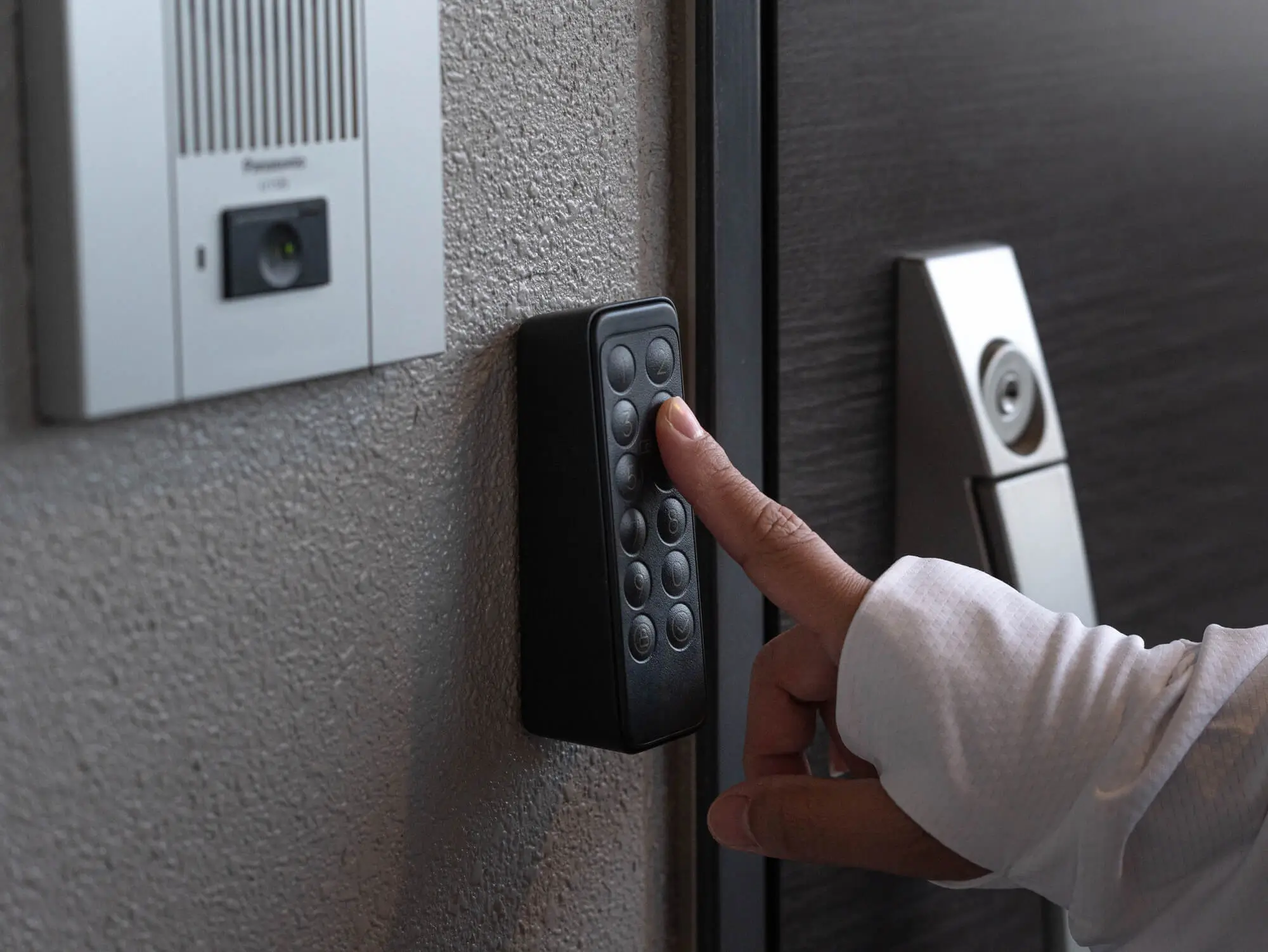
A remote doorman replaces or supplements a physical on-site attendant with a live security operator who screens visitors, controls building access, and responds to entry requests in real time through two-way audio and video systems. This service is built for residential buildings, commercial properties, and mixed-use facilities across the U.S. that need consistent, professional access control without the cost and liability of full-time staffing. The result is a controlled, documented entry point that operates around the clock, regardless of whether anyone is physically present at the front desk.
What Unmonitored Building Access Actually Costs Property Managers
Propped doors, tailgating, unauthorized entry, and visitor incidents share one common thread: no one was actively watching the access point at the moment it mattered. A traditional intercom buzzes someone in without any verification. An unstaffed lobby during off-hours is effectively an open door. And when something goes wrong, the gap in accountability falls on the property manager or owner.
A remote doorman system closes that gap by putting a trained live operator behind every entry decision:
- Incident prevention, not just documentation: Because access is screened before the door opens, unauthorized individuals are stopped at the threshold rather than identified after the fact on footage.
- Reduced staffing liability: Properties that eliminate or reduce physical lobby staff see measurable reductions in employment costs, workers’ compensation exposure, and scheduling gaps during holidays or sick days.
- Audit-ready entry records: Every visitor interaction is logged with timestamped video and operator notes, creating a verifiable access history that supports lease enforcement, insurance claims, and incident investigations.
A mid-size residential building in the Northeast had been relying on a part-time front desk attendant for six hours a day, leaving 18 hours with no access control. After switching to a remote doorman model, all visitor traffic was screened live, package delivery was coordinated without physical staff present, and a tailgating incident was intercepted within the first 30 days of operation.
How Our Remote Doorman Process Works
Step 01
Site Assessment and System Design
Before any camera or intercom is installed, a Monitex Security technician evaluates your property’s entry points, visitor volume, and existing infrastructure. For most U.S. properties, this assessment identifies how many access points require live coverage, what intercom and camera hardware fits the architecture, and whether integration with existing access control panels is feasible. This step typically takes one to three business days and produces a written system design.
Step 02
Hardware Installation and Integration
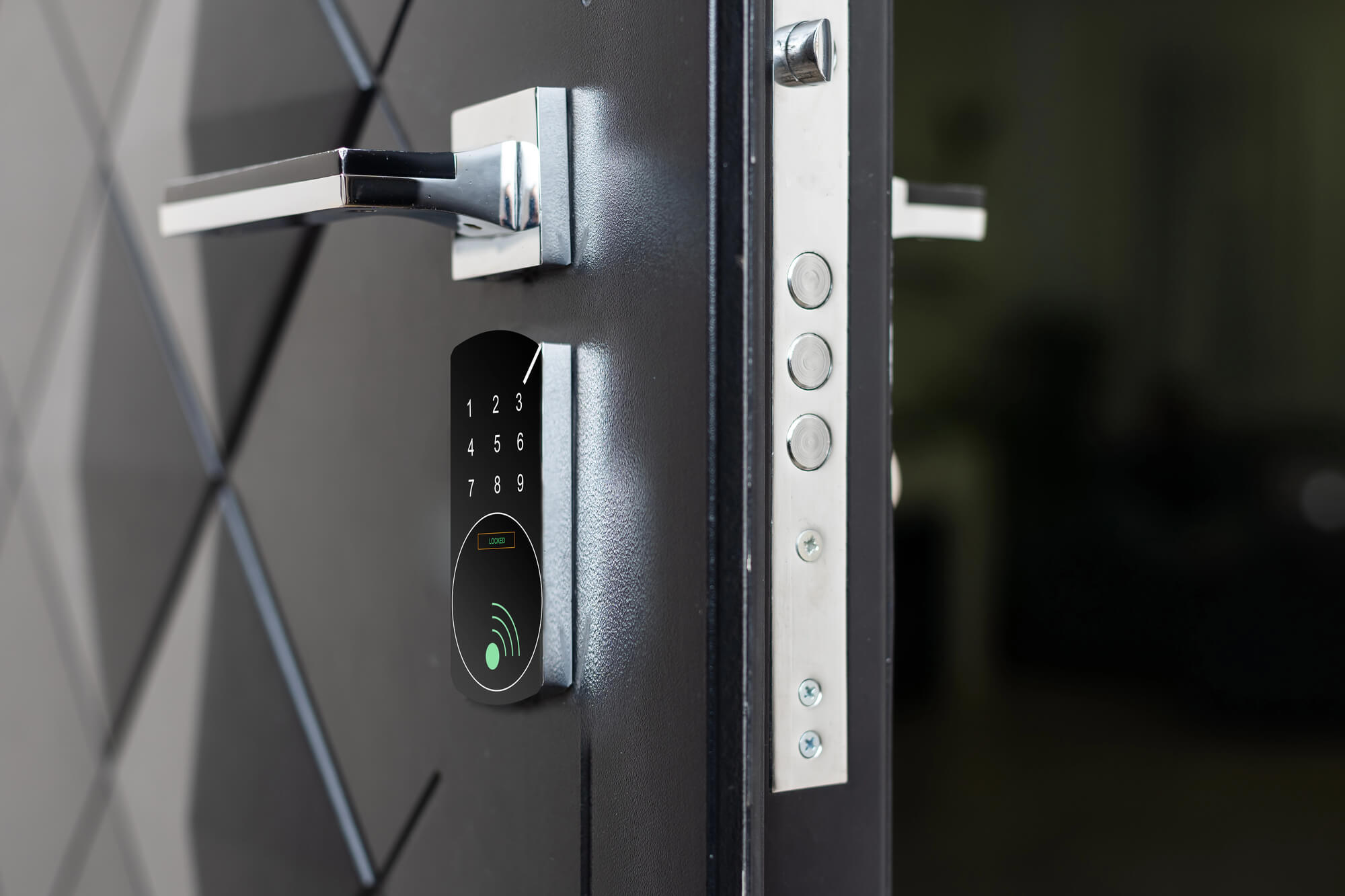
Camera stations, two-way intercoms, and door release hardware are installed at each monitored entry point. The system is integrated with your door locks or gate controls so that our operators can grant or deny access remotely with a single action. For residential buildings and office buildings, this typically includes lobby cameras, a call station at the exterior door, and a secondary camera covering the entry vestibule.
Step 03
Operator Onboarding and Tenant Profiling
Your Monitex operator team receives a property-specific briefing: approved visitor lists, tenant profiles, delivery instructions, and escalation protocols. For properties in high-traffic markets, this also includes shift-specific notes about expected vendor schedules. This is the step that separates a generic monitoring setup from a service that actually functions like a knowledgeable doorman who knows your building.
Step 04
Live Monitoring Goes Active
Once live, every visitor who approaches a monitored entry triggers a real-time response from our remote cctv monitoring centre. The operator views the visitor via live camera, speaks to them through the intercom, verifies their identity or purpose, and either grants access or declines and logs the interaction. Response time from approach to operator contact is typically under 20 seconds. You can review our full how it works overview for a technical breakdown of the monitoring workflow.
Step 05
Reporting and Ongoing Adjustment
Property managers receive access logs, incident reports, and exception alerts on a schedule you configure. If visitor patterns change, if a new tenant moves in, or if a security event requires a policy update, the operator briefing is updated within 24 hours. Properties with seasonal traffic shifts, such as hotels or shopping malls supermarkets, benefit from this flexibility more than any fixed staffing model can offer.
What to Look for Before Hiring a Remote Doorman Provider in the U.S.
Not every remote doorman service operates with the same standards. Before signing a contract, ask the questions that separate accountable providers from those reselling offshore monitoring with no real-time capability.
- Live operators, not automated AI responses: Verify that a human being is actively watching and responding, not a chatbot or motion-alert-only system. Ask specifically: what is the average operator response time, and how is it measured?
- Licensing and compliance in your state: Security monitoring companies operating across the U.S. must hold appropriate licensing in the jurisdictions where they provide services. Ask for proof of licensing and confirm it covers your property’s state.
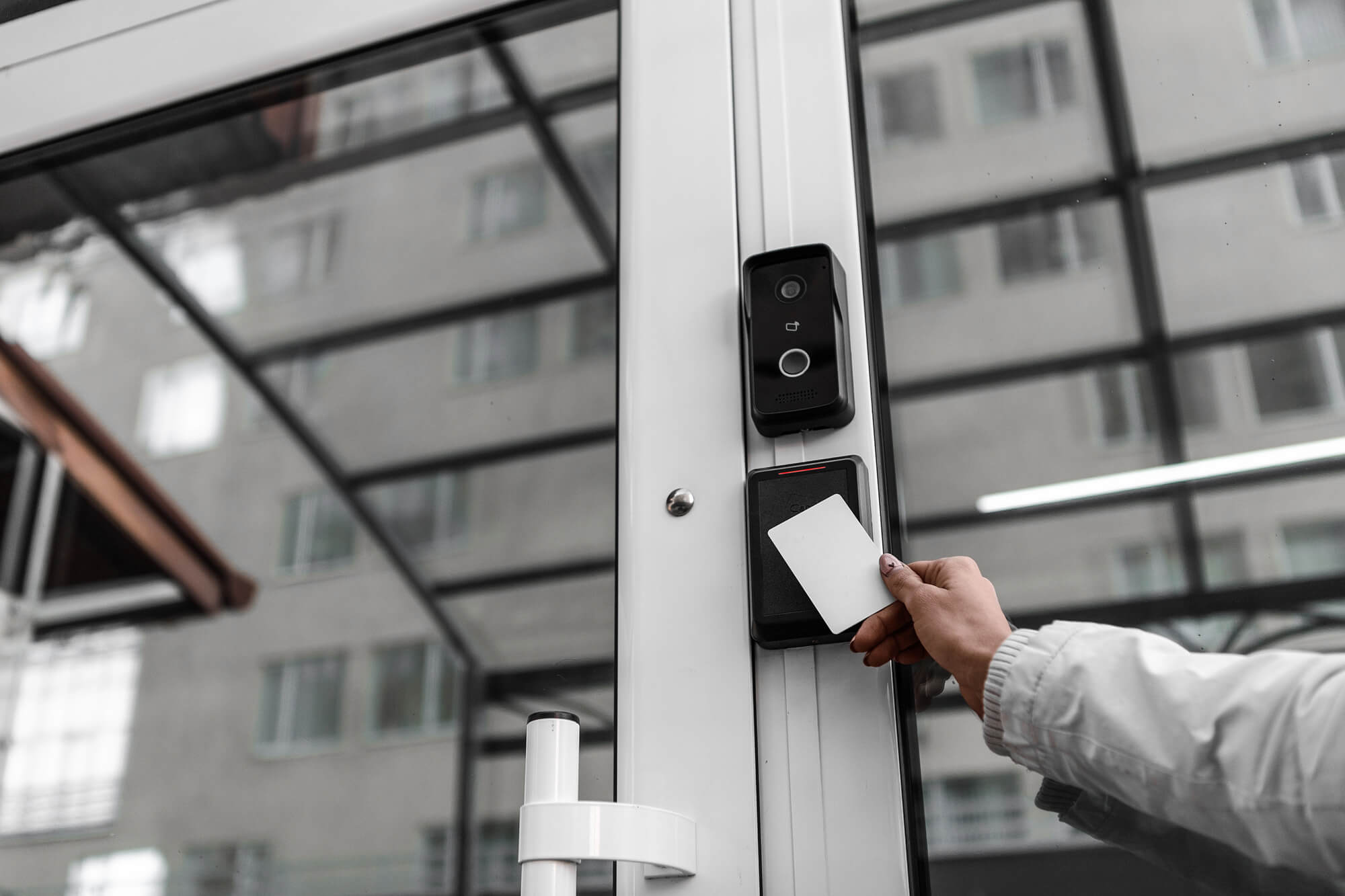
- Integration capability with existing hardware: A provider that requires full hardware replacement when you already have intercoms and cameras installed will cost significantly more than one that integrates with existing infrastructure. Get this confirmed in writing before the assessment.
- Documented escalation protocols: What happens when an operator identifies a threat? There should be a written protocol covering police dispatch, tenant notification, and incident logging, not a vague assurance that “we handle it.”
- Property-type experience: A provider that monitors construction sites, car dealerships, warehouses self storage, and cannabis facilities has tested their protocols across conditions that go far beyond a standard lobby. That breadth of experience matters when an edge case happens at your property.
What Does Remote Doorman Service Cost Nationwide?
Pricing for a remote doorman service depends on several property-specific factors, and no credible provider should quote a flat rate without understanding your setup. Most U.S. properties pay a monthly monitoring fee that reflects the number of entry points covered, the hours of live coverage required, and whether hardware installation is included or amortized separately.
Factors that move the price up or down include:
- Number of monitored access points: A single-lobby building costs significantly less than a campus with six entry gates and a parking structure.
- Coverage hours: Full 24/7 live operator coverage costs more than a hybrid model where live monitoring covers overnight and weekend hours only, with a physical attendant during peak business hours.
- Existing hardware compatibility: Properties that already have camera infrastructure compatible with our remote video monitoring platform typically avoid significant hardware costs. Properties starting from scratch will see higher first-year totals.
- Property type and risk profile: High-compliance environments like healthcare, banks, and schools campuses often require additional operator protocols and documentation standards, which affects pricing.
For a detailed breakdown of what influences monitoring costs, the remote video monitoring cost page walks through realistic price ranges by property type. To get an itemized quote for your specific property within 24 hours, call Monitex Security at 929-279-4999 or email [email protected].
Frequently Asked Questions
How quickly does a remote doorman operator respond when someone approaches the entry?
Monitex Security operators are typically on-call and connected to your entry point feed continuously during monitored hours. From the moment a visitor activates the intercom or triggers a camera zone, a live operator responds within 20 seconds on average. Response time is logged for every interaction, so you have measurable data to review.
What happens if a visitor refuses to identify themselves or becomes confrontational?
The operator follows a property-specific escalation protocol established during onboarding. This includes denying access, issuing a verbal warning through the intercom, documenting the incident with timestamped video, and notifying local law enforcement if the situation warrants it. The tenant or property manager is notified according to the contact priority you set.
Do I need to replace my existing intercom or camera system to use this service?
Not necessarily. Monitex Security assesses your existing hardware during the initial site review. Many properties already have intercoms and cameras that integrate with our monitoring platform. Where existing equipment is incompatible or insufficient, the technician will outline exactly what needs upgrading and provide an itemized cost before any work begins.
How is a remote doorman different from a standard alarm monitoring service?
Standard alarm monitoring is reactive: it responds after a sensor is triggered. A remote doorman is proactive: a live operator screens every visitor before access is granted. Our live video monitoring guide explains the operational difference in detail, including how video monitoring live alerts work alongside live access screening.
Can remote doorman coverage be limited to certain hours instead of 24/7?
Yes. Many properties use a hybrid model: live remote coverage during nights, weekends, and holidays, with a physical attendant or self-service intercom during peak business hours. Coverage hours are configured during onboarding and can be adjusted as your property’s needs change, without requiring a new contract or hardware changes.
Get Your Remote Doorman Quote from Monitex Security Today!