
Monitex Security · 24/7 U.S. Monitoring
Virtual Security Guard Services Nationwide: Live Monitoring, Real-Time Response
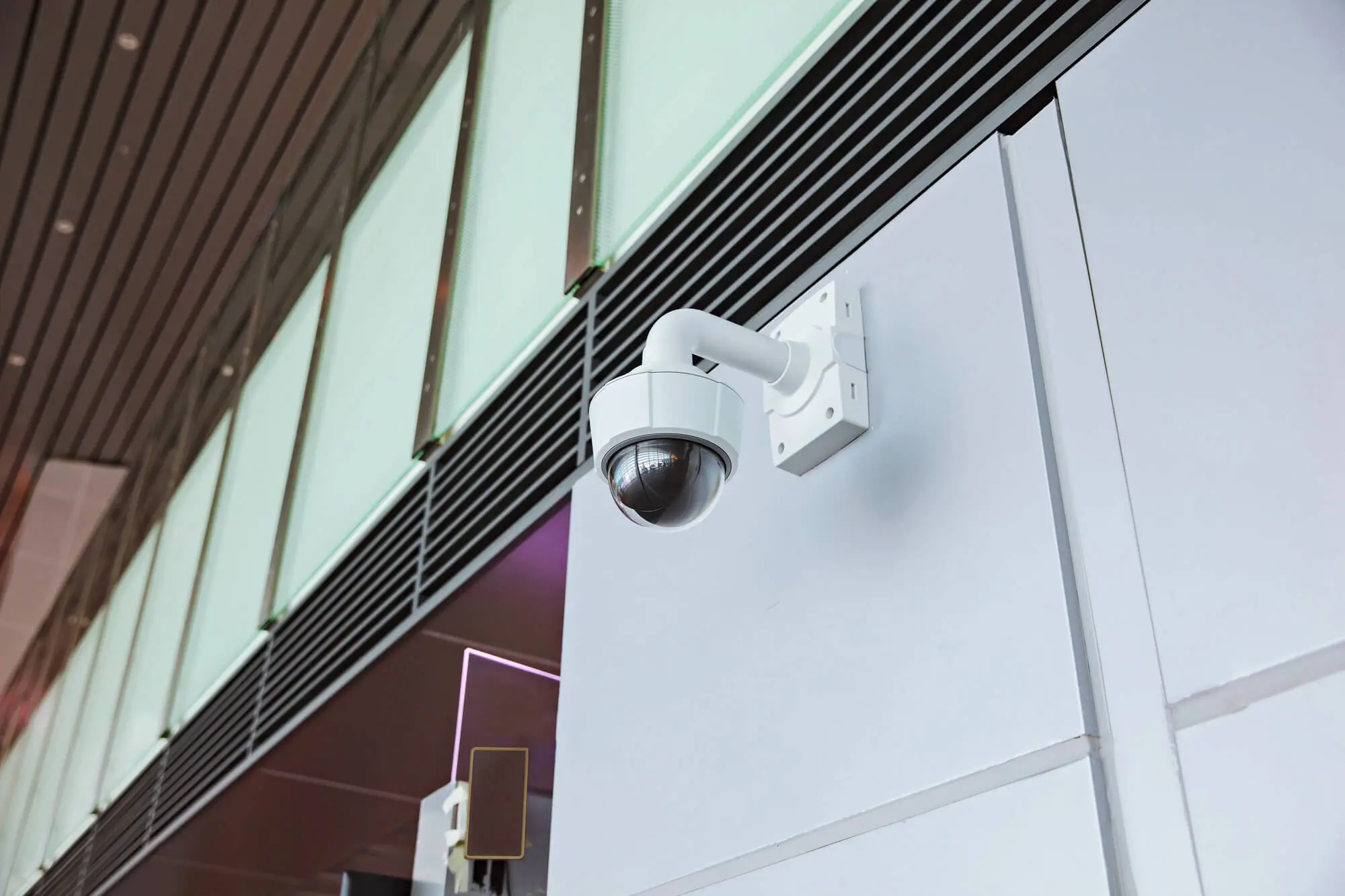
Protecting business operators nationwide
Virtual security guard services put trained operators on your security cameras in real time, without staff on site. When someone enters your property after hours, a Monitex Security operator checks the feed, speaks to them through on-site speakers and contacts police if they don’t leave. Every incident ends with a report and timestamped footage, for businesses and commercial properties nationwide.
What a Virtual Security Guard Does on Your Property
A virtual security guard is a trained operator who watches your property through its cameras from a remote monitoring center and responds while an incident is still happening. Virtual security guard services also go by virtual guarding, remote guarding or remote video guarding. Cameras on their own show you what happened; a person watching them can stop it.
Research supports the difference. A 2019 review of 40 years of CCTV studies found that systems with active monitoring produced larger crime reductions than passive ones (Piza, Welsh, Farrington and Thomas, Criminology & Public Policy). Contact for inquiry and we’ll walk through your property with you.
With Monitex Security’s virtual guard services, operators:
- Watch your feeds live during the hours you choose, while AI flags activity for them to check.
- Speak to the person through on-site speakers, so they know someone is watching right now.
- Contact police with a live description and location when the person doesn’t leave.
- Send you an incident report with timestamped footage after every event.
On one car dealership lot, our operators watched a person crouch beside a parked SUV at night and contacted police while it was happening. You can watch the vehicle tampering case to see how it played out.
How Our Remote Guarding Service Works Works , Step by Step
Our remote guarding service runs in five steps, from the first look at your site to the reports you receive after each incident.
Step 01
Map the Risks and the Hours
We start with an assessment of your property: entrances, the perimeter, blind spots, lighting, the hours you need covered and who we should call. That review becomes the instructions operators follow at your site, and it shapes your quote.
Step 02
Link Your Cameras and Speakers
We connect your existing cameras where they’re compatible, so you don’t have to start over. A site needs cameras, power and internet, and speakers can be added so operators can talk to people on site. If coverage has gaps, we can connect you with installers near your area.
Step 03
Live Watch, With AI Doing the Sorting
AI flags activity on your cameras, and a trained operator checks every flag before anything else happens. Second-tier managers oversee the operators to double-check that nothing is missed.
Step 04
A Voice Warning, Then Police
When someone is where they shouldn’t be, the operator speaks to them through your speakers, and a live spoken warning is often enough to make them leave. If the person stays, the operator contacts police and keeps watching to update them. Law enforcement treats video-verified alarms as crimes in progress, according to the Partnership for Priority Verified Alarm Response. A call from someone who has seen the activity carries more weight than an unconfirmed alarm.
Step 05
Reports, and Changes When You Need Them
After every incident you get a report with timestamped footage and video playback. When your site changes, such as a new gate, new hours or a floor going vacant, tell us and we update the instructions operators follow.
Virtual Guard vs. On-Site Security Guard: Which Fits Your Site?
A virtual guard covers more ground for the cost and never leaves a post. An on-site guard is the right choice when someone must physically step in, check visitors in or help people face to face. Many properties use both: guards for daytime, public-facing duties and remote guarding for nights, weekends and large open areas.
Cost often decides it. The median annual wage for U.S. security guards was $38,020 in May 2025, before benefits, overtime and the extra shifts needed to cover nights and weekends (Bureau of Labor Statistics). A guard also sees only what’s in front of them, while an operator watching your cameras sees every covered area at once.
What matters | Virtual security guard | On-site security guard |
Coverage | Every area your cameras see, at the same time | Wherever the guard is standing or patrolling |
Hours | Set to your schedule, including overnight, weekends and holidays | Each shift needs a person, with breaks and handovers |
Response | A spoken warning, then police with a live description | Can step in physically, within what the law and their employer allow |
Record | Incident report with timestamped footage | The guard’s written report |
Limits | Can’t physically stop someone or greet a visitor | Can be distracted, called away or outnumbered |
Virtual guards suit construction sites after crews leave, dealership lots, warehouses and self-storage, parking lots and office buildings after hours. For a closer look at where guard coverage falls short, read why security guards fail.
Questions to Ask Before You Choose a Virtual Guard Service
The clearest way to compare virtual security guard services is to ask what happens, minute by minute, after a camera picks someone up. These questions show most of the difference between providers:
- Does a trained person check every alert, or does software decide on its own?
- What will the operator say through the speaker, and at what point do they call police?
- Can you keep the cameras you already have?
- What’s in the incident report, and when do you receive it?
- Can one service cover every property you manage, with separate contacts for each?
- What drives the monthly price? It usually depends on the number of cameras, the hours covered and how active the site is.
At Monitex Security, a trained operator verifies every alert, and each site in a portfolio keeps its own contacts and instructions. Our guide to how virtual guard costs add up explains the pricing factors in more detail.
Frequently Asked Questions
What is a virtual security guard?
A virtual security guard is a trained operator who watches a property’s cameras live from a remote monitoring center. When they see a person where they shouldn’t be, they speak to them through on-site speakers and contact police if needed. The service is also called a remote guard or virtual guard.
Are virtual security guards effective?
They’re most useful against trespassing, theft and vandalism at sites with good camera coverage, lighting and speakers, because the person hears a live voice while the incident is happening. They’re less suited to duties that need someone physically present, such as checking visitors in at a front desk.
How much do virtual security guard services cost?
The price depends on how many cameras are watched, the hours of coverage and how active the site is, so each property is quoted separately. Because operators cover your cameras from a monitoring center instead of a person working every shift on site, it usually costs less than staffing guards for the same hours. Monitex Security quotes after reviewing your site.
What happens if someone ignores the operator's warning?
The operator contacts local police with a description of the person and where they are on the property, and keeps watching to update them. Because the operator has seen the activity, the call is a verified report rather than an unconfirmed alarm. You receive the incident report and footage afterward.
What's the difference between a virtual guard and remote video monitoring?
They overlap. Remote video monitoring covers any service where cameras are watched off site, including ones that only review footage or forward alerts. A virtual guard service means operators watch live and respond with spoken warnings and police contact. Our live video monitoring system page explains the monitoring side in more detail.
Can virtual guards replace on-site security guards?
For many after-hours and perimeter duties, yes: operators can watch a whole site at once and respond in seconds without anyone walking a route. Front-desk work, visitor check-in and physically stopping someone still need people on site, which is why many properties combine the two.
Do I need new cameras for virtual guard services?
Usually not. We connect compatible existing cameras, and a site needs cameras, power and internet. Speakers can be added so operators can talk to people on your property.
Can I choose which hours and areas are watched?
Yes. You set the hours, the areas operators should watch most closely and the people we contact. When something changes at your site, tell us and we update those instructions.
Can one service cover several properties?
Yes. Monitex Security monitors single properties and multi-location portfolios, and each site keeps its own contacts and instructions.
What types of properties use virtual guard services?
Construction sites, apartment buildings, car dealerships, warehouses and self-storage facilities, parking lots, hotels, banks, cannabis facilities, healthcare facilities, schools, offices and shopping centers. Each site is set up around its own entrances, hours and risks.
Get Your Virtual Security Guard Service Quote from Monitex Security Today!