
24/7 SECURITY
Retail Store Video Surveillance
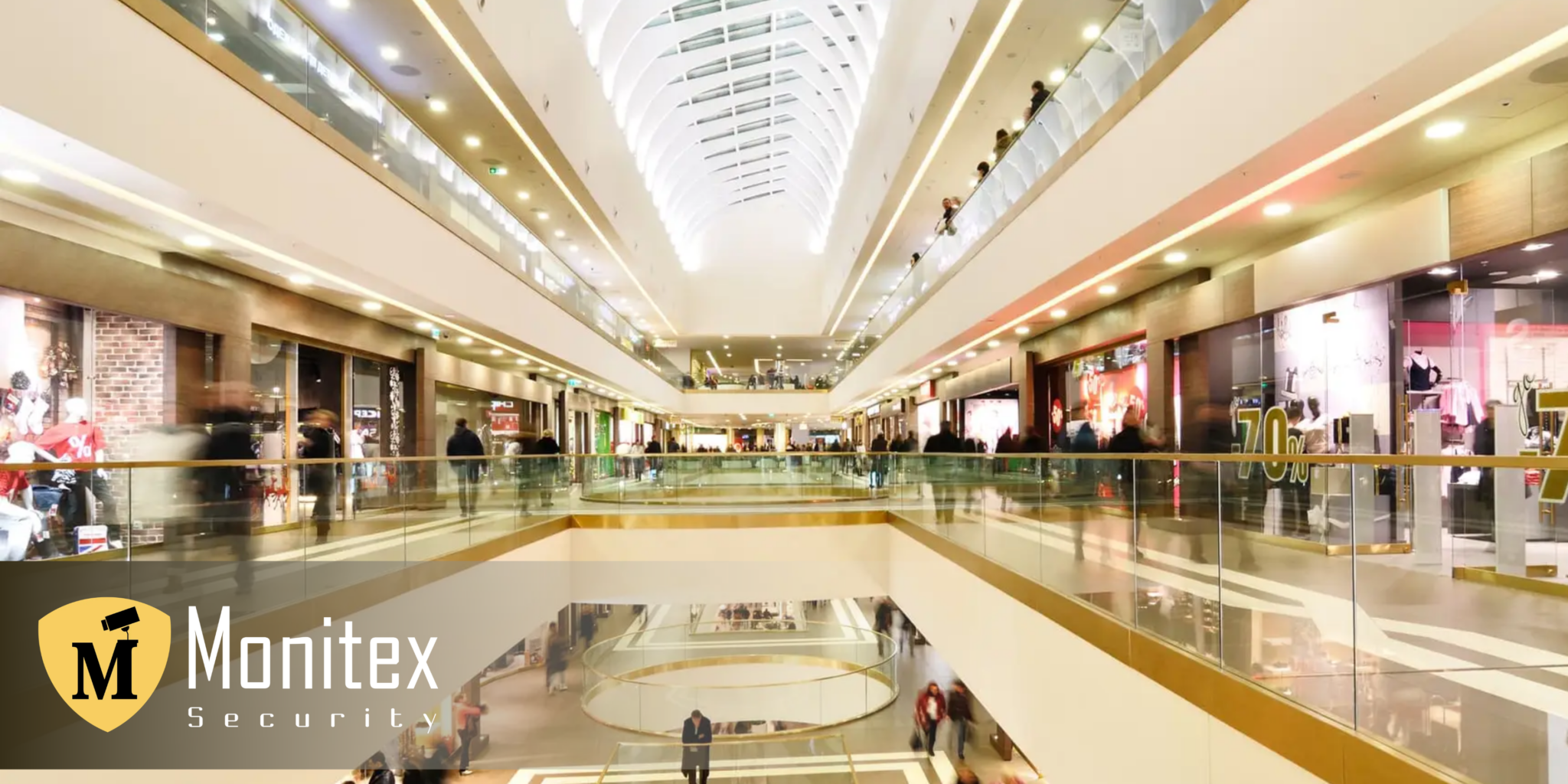
Retail store video surveillance uses cameras to watch sales floors, registers, stockrooms and parking lots, but cameras alone only record what happened. Monitex Security adds trained operators who watch a store’s cameras live, around the clock, warn shoplifters and intruders over on-site loudspeakers, and call police while an incident is still unfolding. It’s built for supermarkets, shopping malls, shopping centers and retail stores that need constant coverage without paying for guards at every entrance.
Key Takeaways
- Recorded footage helps after a theft. Live monitoring lets someone act while the theft is happening.
- Shoplifting fell in 2025, but retailers report more organized and repeat offenders, so the threats that remain are more deliberate.
- Operators cover entrances, high-value aisles, registers, stockrooms, loading docks and parking lots from one monitoring center.
- A loudspeaker warning from an operator means store staff don’t have to confront anyone themselves.
- Monitex connects to the cameras a store already has, and live monitoring costs a fraction of round-the-clock guards.
Retail Store Video Surveillance With Live Operators
Every store has the same problem in a different shape. Too many entrances, too many aisles, merchandise worth stealing, and staff who are there to serve customers, not chase shoplifters. A supermarket adds loading docks and a large parking lot. A shopping mall adds dozens of tenants and common areas that stay open after the stores close.
Most retailers already have cameras. The trouble is that a camera records a theft; it doesn’t stop one. Retail store video surveillance from Monitex puts trained operators behind your cameras, watching live, ready to speak up over a loudspeaker and call police the moment something goes wrong.
Contact For Inquiry to book a free consultation about your store, supermarket or shopping center.
Why Recorded Footage Isn't Enough
A standard CCTV system is a recorder. When something goes missing, a manager scrubs through hours of video, finds the moment, and files a report. By then the merchandise is gone and the person who took it is long out of the parking lot.
Shoplifters know this. A camera on the ceiling is a risk they’ve already priced in, because nobody is likely to look at the footage until later.
Live monitoring changes the timing. An operator who sees someone filling a bag in a blind aisle, propping open a fire exit, or trying the stockroom door after closing can act right then:
- Speak up. A live voice over the store’s loudspeaker tells the person they’re being watched, and describes what they’re wearing.
- Call police. If they don’t stop, the operator dispatches law enforcement and keeps watching while officers are on the way.
- Keep the record. The recorded video is there for later review, for police and for your own records.
That’s the difference between documenting a loss and interrupting it.
The solution: 24/7 Remote Monitoring
With every angle covered by our cameras, we prevent shoplifting, break-ins and theft. We also install loudspeakers throughout your premises, using them to deter prospective criminals when suspicious activity is noticed.
At a fraction of the price of employing security guards, remote video surveillance is budget-friendly, no matter the size of your enterprise.
Beyond typical security scenarios, our virtual surveillance also provides a deterrent for internal theft, recorded video playback for later reference and insight into employee productivity.
With shifts of highly trained virtual guards observing the screens every minute of the day, your mall is never exposed. Day or night, any time of year, every area is under our watchful eyes.
Where Retail Theft Stands Today
The picture has shifted since the headlines of a few years ago. The Council on Criminal Justice found that the average reported shoplifting rate across the cities it tracks was 10% lower in 2025 than in 2024, the first annual decline since 2021.
Retailers see the same trend, with a catch. In the National Retail Federation’s Impact of Theft & Violence 2026 study, retailers reported a 12.4% drop in shoplifting incidents in 2025. Yet 40% said organized retail crime incidents had increased, and half said they were seeing more repeat offenders.
In other words, there’s less casual shoplifting and more theft by people who plan it. Organized crews scout a store, work fast, and resell what they take. Lawmakers have noticed:
- The federal INFORM Consumers Act, in effect since June 2023, requires online marketplaces to disclose contact details for many high-volume third-party sellers, which makes stolen goods harder to resell anonymously.
- The Combating Organized Retail Crime Act passed the House 348–60 in May 2026. It would create a federal center to coordinate investigations of organized retail crime groups. The Senate hasn’t acted on it yet.
Prosecution happens after the fact. The time to stop a planned theft is while the crew is still in the aisle, and that takes someone watching. For a closer look at how these crews work, read our guide to organized retail theft prevention.
What Our Operators Watch in Your Store
Good retail store video surveillance starts with knowing where losses happen. Our operators focus on the spots that matter most:
- Entrances and exits. Who comes in, what they carry out, and anyone using a fire exit as a shortcut.
- High-value aisles. Electronics, health and beauty, alcohol and other goods that are easy to conceal and easy to resell.
- Registers and self-checkout. Cash handling, unusual activity at the till, and items that skip the scanner.
- Stockrooms and loading docks. Deliveries, back doors and storage areas where customers shouldn’t be.
- Parking lots. Vehicle break-ins, car theft and damage, and the walk between the door and the car.
- The building after closing. Smash-and-grab attempts, break-ins and anyone lingering by the doors or the loading area.
Your existing camera layout decides what we can see. In the consultation, we look at it with you and point out the blind spots worth covering.
Simple Set-up
Getting started with Monitex security can be a matter of a few hours, and never more than a few days.
Quote
Our team analyzes your property and its existing security measures, designing a surveillance plan that will cover every angle.
Install
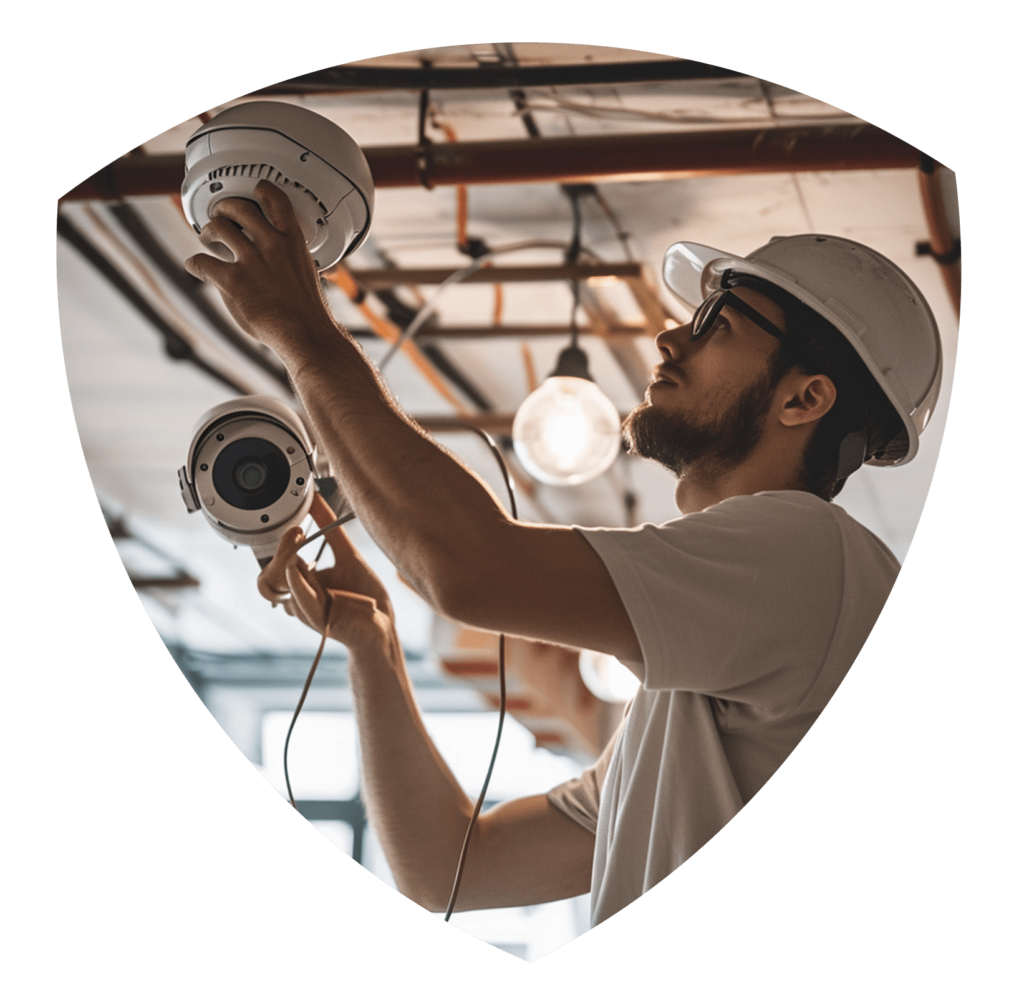
Our technicians install speakers, connect your cameras and configure them to integrate with our state-of-the-art system.
Stream
Streaming continuous live footage from your site, our remote guards watch out for threats and suspicious activity, reacting swiftly if anything is noticed.
Secure
They’ll issue warnings via loudspeaker, dispatch law enforcement where necessary and communicate closely with the police department to apprehend the criminals efficiently.
Relax
You’re free to focus on other aspects of your business, knowing that under the watchful eyes of our skilled team, your property is safe from damage or theft.
Built for Shopping Malls, Supermarkets and Retail Stores
Each type of retail property has its own weak points.
Shopping Malls and Shopping Centers
A mall has many entrances, shared corridors and food courts, and acres of parking. Shopping center video security has to cover the common areas between tenants as well as the perimeter after hours, when individual stores are locked but the property is still exposed. Remote video surveillance lets one team watch all of it at once, instead of a guard who can only be in one wing at a time.
For property managers, shopping mall video surveillance also creates one record of what happened in a shared space. When a tenant, a shopper and an insurer all have questions about the same incident, the recorded footage answers them.
Supermarkets and Grocery Stores
Supermarkets run long hours with lean staff. Self-checkout lanes, pharmacy counters, loading docks and large parking lots all need attention at once. Live operators keep an eye on the busiest and the quietest corners, and an alert from the monitoring center reaches the right person faster than a manager walking the floor.
Standalone and Multi-Store Retailers
A single storefront is most exposed at night, when a smash-and-grab can take minutes. The damage to doors and display cases often costs more than the goods taken.
An operator who sees someone testing the door or circling the lot can issue a warning and call police before the glass breaks. Retailers with several locations face the same risk in every store. Monitored cameras give every location the same overnight coverage
Protecting Your Staff and Stopping Inside Theft
Retail workers are not security guards, and asking them to stop a shoplifter puts them at risk. With live monitoring, the warning comes from the operator, not from the cashier. Staff can step back while the monitoring center handles the warning and the call to police.
The same goes for opening and closing, when one or two employees handle cash and lock up with nobody else around. Operators can keep watch on the doors and the parking lot during those minutes, so nobody is alone with the risk.
Monitoring also works on the inside. When employees know the cameras are actively watched, there’s less temptation to take stock from the back room or skim from the register. Recorded footage gives managers a clear record when something doesn’t add up.
For practical steps your team can take on the floor, see our guide on how to stop shoplifting.
Keeping Surveillance Within the Law
Cameras belong in public areas of the store: entrances, aisles, checkout lanes, stockrooms and parking lots. They never belong in fitting rooms or restrooms. Many states ban recording there outright; New York’s General Business Law §395-b, for example, prohibits video recording devices in fitting rooms and restrooms.
A few other points to settle before you add cameras:
- Post notices at entrances so customers know the store is under video surveillance.
- Check audio rules. If your cameras record sound, many states require everyone’s consent to record a conversation.
- Tell employees how monitoring works and where the cameras are.
Rules vary by state, so confirm your setup with your own legal counsel. We’ll tell you which cameras we watch and what we do when we see a problem.
You keep your cameras and your staff. Monitex adds the people watching. To learn more about the service behind this page, see our live video monitoring solutions.
Why Retailers Choose Monitex
- No gaps. Trained operators work in shifts, so someone is watching your store every minute of the day, every day of the year.
- Affordable. Live monitoring costs a fraction of what full-time guards cost, whatever the size of your store.
- Works with your cameras. We connect the cameras you already own and add loudspeakers where you need a voice.
- One team for the whole property. Sales floor, stockroom and parking lot are covered by the same operators.
For a wider plan that goes beyond cameras, read our retail loss prevention strategies.
[ADD] A retail case study, such as a supermarket, mall or store: the problem, what operators did, and the result, with a named contact.
Get reliable, affordable security for your shopping mall.

Retail Store Video Surveillance FAQs
Will our current store cameras work with live monitoring?
Usually they will. Most retail systems can stream to our monitoring center once our technicians link them and add loudspeakers. If a camera covers the wrong angle or shows too little detail at night, you’ll hear about it before monitoring starts.
Does live monitoring replace security guards?
For many stores, it replaces some or all guard hours. Operators watch every connected camera at once, which a single guard can’t do. Some large malls keep guards on site and use live monitoring to direct them and cover the hours and areas they can’t reach.
Do you watch the store during business hours or only after closing?
Both. Operators watch your cameras 24/7. During the day they look for theft and trouble on the sales floor and in the parking lot; after closing they watch for break-ins and anyone on the property who shouldn’t be there.
Is it legal to have security cameras in a retail store?
Yes, in public areas such as entrances, aisles, checkout lanes and parking lots. Cameras can’t be placed in fitting rooms or restrooms, and recording audio has stricter consent rules in many states. Check your state’s requirements with your legal counsel.