
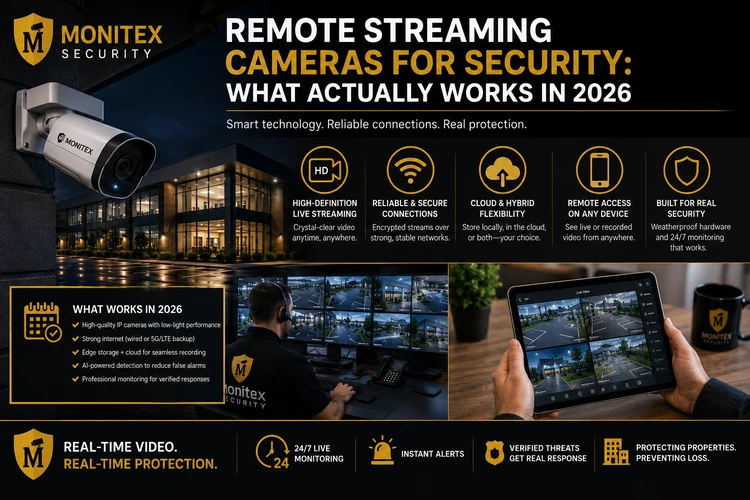
A remote streaming camera is one of the most effective tools available for real-time security monitoring when deployed correctly. Whether you are protecting a commercial property, a construction site, or a multi-unit residential building, live video streaming provides immediate visual access that traditional alarm systems simply cannot match.
Key Takeaways
- Remote streaming cameras are most effective when paired with professional live monitoring, not left to passive recording alone.
- Video quality, network reliability, and camera placement are the three factors that most directly affect security performance.
- Live video verification dramatically reduces false alarm responses and improves police prioritization.
- Remote cameras work across a wide range of environments, from retail stores to outdoor construction sites.
- Monitex Security serves clients across New York and nationwide, offering tailored remote monitoring solutions built around your specific site needs.
- A camera system without a response protocol is incomplete; the feed needs to be watched and acted upon.
Remote streaming cameras have become a cornerstone of modern physical security at . As property crime, trespassing, and unauthorized access remain persistent concerns across the United States, building owners and facility managers are increasingly asking whether does remote streaming camera effective for security is more than just a marketing claim. The short answer is yes, but the effectiveness depends heavily on how the system is set up, monitored, and integrated with a broader security strategy.
How Remote Streaming Cameras Actually Work
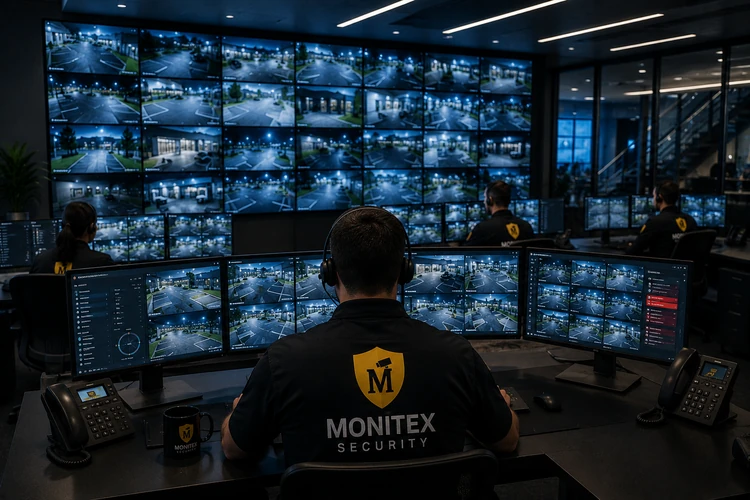
A remote streaming camera captures live video footage and transmits it over an internet connection to a central monitoring station, a mobile device, or a cloud-based platform. Most modern systems use IP (Internet Protocol) cameras that compress and encode video in real time, sending it continuously or on a motion-triggered basis to remote viewers.
The quality of the stream depends on several factors:
- Resolution: Higher resolution cameras (1080p, 4K) capture more usable detail, which is critical for identifying faces, license plates, and specific actions.
- Frame rate: A minimum of 15 frames per second is generally recommended for smooth, interpretable footage in security contexts.
- Latency: Lower latency connections allow monitoring staff to respond faster to unfolding events.
- Network bandwidth: A stable, high-bandwidth connection prevents dropped frames and buffering that could obscure key moments.
For a deeper understanding of how these components fit together, the NIH’s research on video technology applications and Wikipedia’s overview of IP camera systems both provide helpful technical context.
Modern systems also integrate motion detection, AI-powered object recognition, and alert escalation protocols. These features filter out irrelevant movement (such as tree branches or passing vehicles) and flag only human or vehicle activity that warrants attention.
Where Remote Streaming Cameras Deliver the Most Value
Not every property benefits equally from a live streaming setup. Understanding where these systems perform best helps you make an informed deployment decision.
Commercial and Retail Properties
Retail environments face persistent risks from shoplifting, after-hours break-ins, and employee theft. Remote cameras placed at entry points, checkout areas, and stockrooms give managers and security teams live visibility into activity even when no one from the organization is physically on-site. A professional team watching these feeds in real time can alert law enforcement before a perpetrator leaves the premises, rather than reviewing footage after the fact.
Construction Sites
Construction sites are among the most theft-prone environments in the United States. Equipment, materials, and tools represent high-value targets, and most sites have minimal physical security presence after working hours. If you want to understand the full scope of protection strategies for these environments, 7 proven strategies to enhance construction site security outlines practical measures that go beyond camera placement alone.
Parking Lots and Perimeter Areas
Open areas with low foot traffic are difficult to patrol manually. Remote streaming cameras positioned at perimeter fencing, gate entries, and parking structures provide continuous coverage that a security guard rotation cannot realistically sustain across a large footprint.
Multi-Family Residential Buildings
Apartment complexes, condominiums, and housing developments benefit from cameras at lobbies, mailrooms, and parking structures. Building managers can monitor access points without requiring a full-time on-site security presence, reducing operational costs while maintaining visibility.
The Critical Role of Live Monitoring vs. Passive Recording
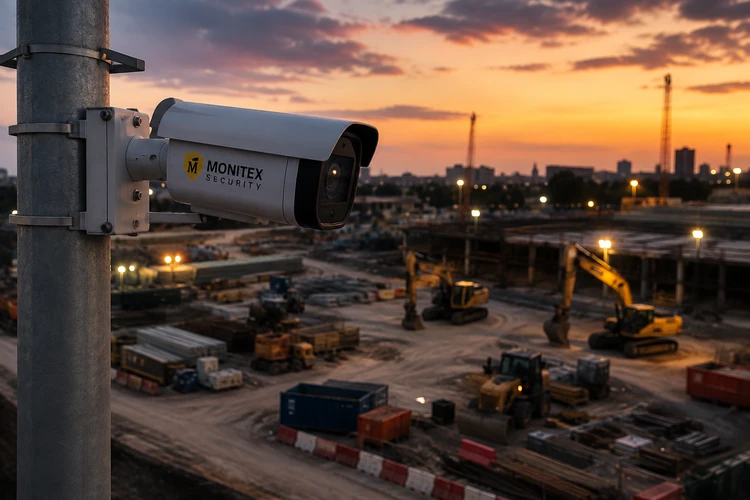
One of the most important distinctions in this space is the difference between a camera that records and a camera that is actively watched. A recording-only setup captures what happened; it does not prevent it. This is the single biggest gap in most self-managed camera deployments.
Professional live cctv monitoring solutions address this gap by assigning trained operators to watch feeds in real time, recognize suspicious behavior, and trigger a coordinated response before an incident escalates. This is not the same as reviewing footage the morning after a break-in.
Monitex Security’s monitoring approach is built around this principle. Rather than leaving cameras to passively record, trained security professionals observe live feeds and initiate contact with law enforcement, on-site personnel, or both, depending on what the footage reveals.
Video Alarm Verification: Why It Changes the Response Equation
Traditional alarm systems generate a high volume of false alerts. In many U.S. jurisdictions, repeated false alarms result in fines and, more critically, in police departments lowering the priority of future responses from that address. When law enforcement suspects another false alarm, response times can stretch from minutes to hours.
Video verification changes this dynamic entirely. When an alarm is triggered, a monitoring operator reviews live or recorded footage from the preceding seconds to confirm whether an actual threat exists before contacting emergency services. This process, known as the video alarm verification process, gives dispatchers confirmed information rather than unverified alerts, which directly improves police response prioritization.
According to the FBI’s Uniform Crime Reporting resources, property crimes remain a significant burden across American cities, making faster, verified police responses a meaningful advantage for property owners who invest in this approach.
Key Factors That Determine Whether a Remote Camera System Is Effective
| Factor | Low-Effectiveness Setup | High-Effectiveness Setup |
| Monitoring | Passive recording only | Live professional monitoring |
| Camera resolution | 480p or lower | 1080p minimum, ideally 4K |
| Alert system | Basic motion email alert | AI-filtered alerts with human review |
| Response protocol | Review footage after the fact | Real-time dispatch and escalation |
| Coverage | Single entry point | Full perimeter and interior coverage |
| Network reliability | Consumer-grade Wi-Fi | Dedicated commercial connection with backup |
| Integration | Standalone camera | Integrated with access control and alarms |
The table above illustrates a pattern that security professionals consistently observe: the hardware itself is only one piece of the equation. The process around it, including who watches the feed, when they watch it, and what they do when something happens, determines whether the system actually protects the property.
Common Mistakes That Reduce Camera Effectiveness
Even well-intentioned deployments often fall short because of avoidable errors. Here are the most frequent issues that undermine a remote streaming setup:
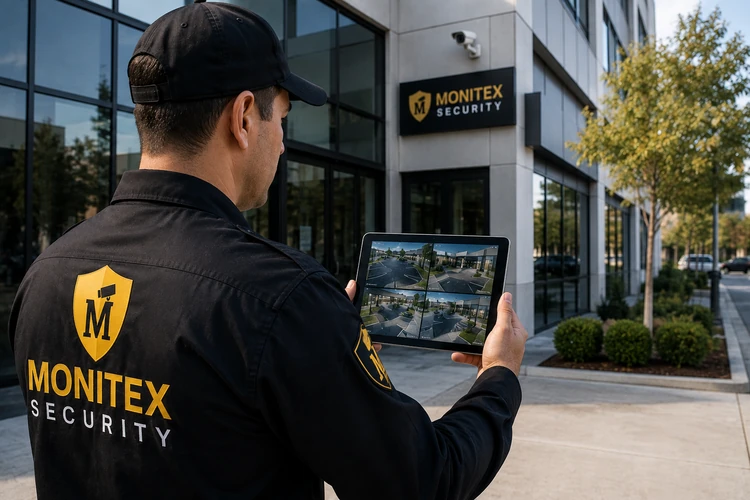
- Poor camera placement: Cameras pointed too high, obstructed by foliage, or angled away from key access points capture footage that is difficult to interpret.
- Inadequate lighting: Low-light environments require cameras with infrared or low-lux capability. Standard cameras in dark conditions produce grainy, unusable footage.
- No redundancy: A single point of failure in the network connection can take an entire system offline. Backup cellular connections and local storage serve as essential failsafes.
- No defined response plan: A camera system without a documented escalation process is not a security system; it is a documentation tool.
- Neglected maintenance: Lens cleaning, firmware updates, and periodic field-of-view reviews are necessary to keep systems performing at their rated capability.
For ongoing insights into how security professionals address these challenges, the protection insights blog regularly covers practical deployment considerations across a range of property types.
How Monitex Security Approaches Remote Camera Deployments
Monitex Security was founded in March 2019 and has grown to a team of 200 professionals serving clients across New York and nationwide. The organization approaches each deployment as a site-specific challenge rather than a one-size-fits-all product installation. That means conducting a site assessment, identifying the highest-risk zones, selecting appropriate camera hardware for the lighting and environmental conditions present, and building a monitoring and response protocol tailored to the client’s operational reality.
The full range of security solutions available through Monitex extends beyond cameras alone, incorporating access control, live CCTV monitoring, and alarm systems that work together as an integrated security infrastructure. Clients can reach the Monitex team directly at 929-279-4999 or by email at [email protected] to discuss a configuration that fits their specific site.
For a broader perspective on how technology and professional oversight intersect in security, Mayo Clinic’s guidance on workplace safety and Reuters’ coverage of commercial security trends both reflect how the conversation around property protection has shifted toward real-time, verified monitoring.
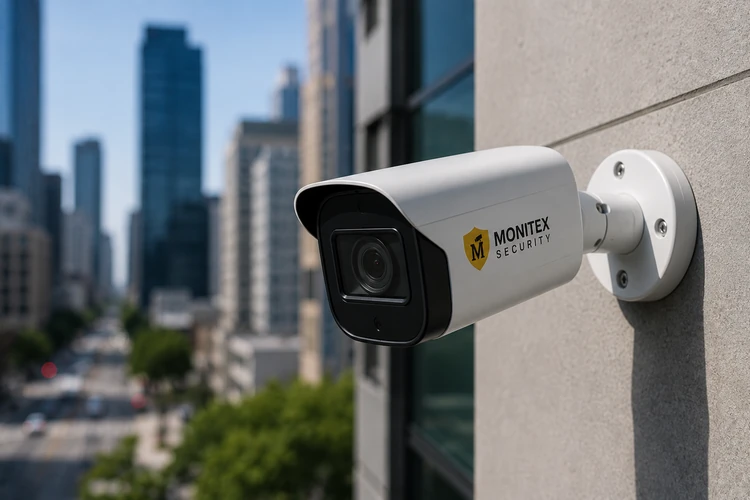
What to Look for When Evaluating a Remote Streaming Camera Provider
If you are comparing providers or deciding whether to upgrade an existing setup, focus on these criteria:
- Monitoring coverage hours: Is the system watched 24 hours a day, seven days a week, or only during certain windows?
- Response time guarantees: How quickly does the monitoring team act after detecting a potential incident?
- Scalability: Can the system grow with your property or portfolio without requiring a full replacement?
- Integration capability: Does the provider support integration with your existing access control or alarm infrastructure?
- Compliance awareness: In some U.S. states and cities, video surveillance must comply with specific notification and data retention regulations. Your provider should be familiar with applicable rules in your jurisdiction.
The question of whether does remote streaming camera effective for security ultimately comes down to execution. The technology has matured to a point where image quality, transmission reliability, and AI-assisted alerting are all highly capable. What differentiates a system that prevents incidents from one that merely documents them is the human and procedural layer built around the hardware.
Understanding this distinction is what makes professional monitoring partnerships, like those offered by Monitex Security, a fundamentally different category of investment than simply purchasing cameras and pointing them at a door. For clients who want to make an informed decision, starting with a consultation to map out site-specific risks is the most practical first step you can take.
Things to Know
- Remote streaming cameras are only as effective as the network they run on; a dropped connection at a critical moment can leave your property blind when it matters most.
- Many U.S. cities and states have specific regulations governing where cameras can be pointed, how long footage must be retained, and whether visible signage is required. Always verify local compliance before installation.
- AI-powered motion filtering has significantly reduced false alert fatigue, but it is not a replacement for human judgment. Trained operators still catch context that algorithms miss.
- Cloud storage offers redundancy advantages over local DVR systems, but it also introduces data privacy considerations that you should review with your provider before committing to a platform.
- Camera effectiveness decreases sharply when maintenance is deferred. A lens fogged by condensation or a camera shifted by wind can render an entire coverage zone useless without anyone noticing until after an incident.
- Not all “remote monitoring” services are equivalent. Some providers simply forward alerts to your phone; others deploy dedicated operators watching live feeds around the clock. The difference in protection level is substantial.
Book a Free Security Assessment With Monitex Today
Your property deserves more than a camera pointed at a door. Monitex Security works with commercial property owners, facility managers, and site operators across New York and nationwide to design remote monitoring systems that actually respond to threats rather than just record them. Whether you are starting from scratch or evaluating an existing setup that is not performing, a professional assessment gives you a clear picture of your vulnerabilities and a practical path forward. Contact with the Monitex team today and take the first step toward a system that protects your property in real time, not the morning after.
Frequently Asked Questions
Q: Does a remote streaming camera work without a continuous internet connection?
Most remote streaming cameras require a stable internet connection to transmit live footage, but many systems include local storage as a backup.
If the connection drops, footage is typically written to an on-site SD card or NVR (network video recorder) and synced to the cloud once connectivity is restored. However, the live monitoring capability is suspended during any outage, which is why backup cellular connections are a recommended safeguard for high-priority sites.
Q: How is a remote streaming camera different from a standard security camera?
A standard security camera typically records to a local device, while a remote streaming camera transmits live video over the internet to a remote viewer or monitoring center.
The practical difference is real-time visibility. With a streaming camera, a trained operator or authorized user can see what is happening as it unfolds, enabling a live response. A standard recording-only camera captures what happened, but that footage is reviewed after the fact, often hours after an incident has already concluded.
Q: Can remote streaming cameras hold up legally as evidence in U.S. courts?
Yes, footage from remote streaming cameras is routinely admitted as evidence in U.S. criminal and civil proceedings, provided it meets basic standards of authenticity and chain of custody.
Footage should be stored in an unaltered format with accurate timestamps and a documented record of who accessed it and when. Working with a professional monitoring provider that maintains secure, timestamped cloud archives significantly strengthens the evidentiary value of your footage if it is ever needed in a legal context.
Q: What is the typical cost range for a professionally monitored remote camera system in the United States?
Costs vary widely based on the number of cameras, monitoring hours, hardware quality, and the complexity of the site, so there is no single standard price point.
For commercial properties, professionally monitored systems generally involve both a hardware investment and a recurring monthly monitoring fee. Rather than quoting a figure that may not reflect your specific configuration, the most accurate step is to request a site-specific assessment. Monitex Security can be reached at 929-279-4999 or at [email protected] to discuss a proposal tailored to your property’s requirements.
Q: How many cameras does a typical commercial property need for effective remote monitoring?
The number of cameras depends on the size of the property, the number of access points, the layout of interior spaces, and the specific threat profile of the location.
A small retail storefront may be adequately covered by three to five cameras positioned at entry points, checkout areas, and storage rooms. A large warehouse, parking structure, or multi-building campus may require dozens of units with overlapping fields of view to eliminate blind spots. A professional site assessment is the most reliable way to determine the right quantity and placement for your specific environment.
The Bottom Line on Does Remote Streaming Camera Effective for Security
The evidence is consistent: does remote streaming camera effective for security is not a question of whether the technology works, but whether it is deployed with the right infrastructure around it. Cameras with high resolution, reliable connectivity, AI-assisted alerting, and professional live monitoring represent a fundamentally different level of protection compared to passive recording systems that no one watches until after something goes wrong.
Monitex Security has been building and operating these systems since 2019, serving clients across New York and beyond with monitoring teams and site-specific strategies that treat every property as its own unique challenge. If you are ready to move from reactive to proactive security, reach out to the Monitex team at 929-279-4999, email [email protected], or visit the organization to learn more about what a professionally managed remote monitoring program can do for your property.