
24/7 SECURITY
Live Video Monitoring for Storage Facilities
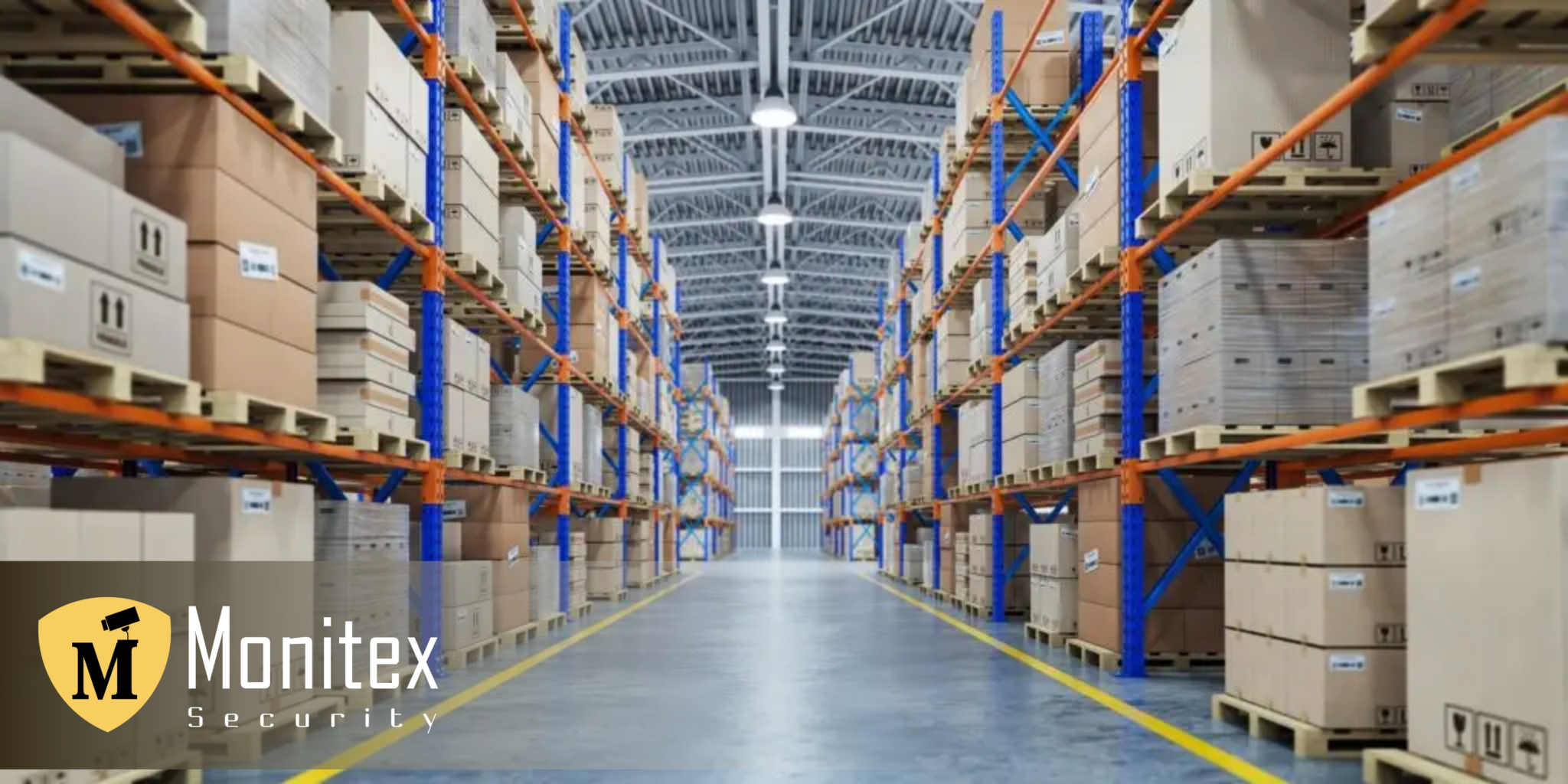
Live video monitoring for storage facilities means trained operators watch a facility’s cameras in real time and respond the moment something looks wrong, instead of footage being reviewed after a unit is emptied. Monitex Security watches self-storage and warehouse properties around the clock, warns intruders over on-site loudspeakers and dispatches police while they are still on site. It suits owners and managers who run quiet, lightly staffed properties and need constant coverage for a fraction of the cost of guards.
Key Takeaways
- Storage properties are quiet, spread out and often unstaffed after hours, which makes recorded-only cameras easy to ignore.
- Monitex operators watch the gate, fence line, drive aisles and unit rows live, and speak up over loudspeakers before a lock is cut.
- After closing, anyone on the property is a concern. During access hours, operators watch for behavior that doesn’t fit a tenant visiting their own unit.
- Live monitoring gives renters a concrete reason to trust your facility and gives you footage when a tenant reports a loss.
- Warehouses get the same live coverage, with extra attention on loading docks, trailer yards and after-hours activity inside.
- Monitex connects to the cameras you already have, and setup can take a few hours and never more than a few days.
Live Video Monitoring for Storage Facilities
Storage facilities are built to be quiet. Rows of identical doors, a keypad at the gate, a manager who leaves in the late afternoon, and tenants who come and go with their own codes. That makes them easy to run, and easy to rob.
Cameras help, but a recording only tells you which unit was emptied and when. Live video monitoring for storage facilities puts trained Monitex operators behind your cameras, watching in real time. When someone climbs the fence, cuts a lock or lingers where they shouldn’t, an operator warns them over a loudspeaker and calls police while they’re still on the property.
Contact For Inquiry to talk through your facility in a free consultation.
Why Storage Facilities Draw Thieves
The U.S. has about 49,000 self-storage facilities, according to the Self Storage Association, and most share the same weak points:
- Few people on site. Many facilities run with one manager during office hours and nobody overnight.
- Out-of-the-way locations. Industrial areas and highway frontage mean few passers-by and slow notice of anything unusual.
- Long rows with no sight lines. A thief working on a door halfway down an aisle can’t be seen from the office or the street.
- Codes in many hands. Every tenant has a way in. Codes get shared, and gates get held open for the car behind.
- Unknown contents. Thieves don’t know what’s behind a door, so they try several. One break-in often becomes many.
Fire and water are risks too. A deserted property can burn or flood for hours before anyone notices.
The solution: 24/7 Remote Monitoring
With every angle covered by our cameras we prevent break-ins, robbery and employee theft. We also install loudspeakers throughout your lot, using them to deter prospective criminals when suspicious activity is noticed.
At a fraction of the price of employing security guards, remote video surveillance is budget-friendly, no matter the size of your warehouse.
By connecting up your existing cameras to our systems*, getting started with Monitex is a quick, hassle-free process.
(*or installing new ones where necessary)
With shifts of highly trained virtual guards observing the screens every hour of the day, your facility is never exposed. Day or night, any time of year, your warehouse is under our watchful eyes.
Where Live Monitoring Fits in Your Security System
Most storage facility security systems are built from the same parts. A fence and gate control the perimeter. A keypad or app decides who gets through. Lighting keeps the aisles visible, and tenants’ locks keep each unit closed. Cameras record all of it.
Each piece has a gap. Fences get cut, codes get shared, and locks give way to bolt cutters in seconds. An alarm or motion sensor can tell you something happened, but not whether it’s a burglar or a stray cat. And a camera nobody is watching can’t stop anything.
Live monitoring closes those gaps by putting a person in the loop. Operators see what the gate, fence and cameras are seeing, decide whether it’s a real threat, and act on it.
What Our Operators Watch on Your Property
Every facility is laid out differently, but the same areas carry most of the risk.
Area | What operators watch for |
Entry gate and keypad | Vehicles following another car through, gates propped open, anyone climbing over |
Fence line | People cutting, climbing or squeezing through, especially at the back of the property |
Drive aisles and unit rows | Cut locks, doors open after hours, people moving from unit to unit |
Vehicle, boat and RV parking | Anyone near stored vehicles after hours |
Office and leasing area | Break-ins after closing and the manager’s safety while opening and closing |
Dumpsters and loading areas | Illegal dumping and people loitering out of sight |
Operators can also flag smoke or standing water they see on camera so you can act quickly.
For a deeper look at locks, lighting, access control and the rest of a storage security plan, see our self-storage facility security guide.
After Closing vs. During Access Hours
Storage security has two different jobs, and live monitoring handles both.
After Closing
Once the gate locks for the night, nobody should be inside. That makes the rule simple: anyone on the property is a problem. An operator who spots a person on camera challenges them over the loudspeaker straight away. If they don’t leave, the operator dispatches police and keeps watching until officers arrive.
During Access Hours
During the day, tenants have every right to be there, so the operator looks at behavior instead.
A tenant visits one unit, loads the car and leaves. A thief walks the rows, tries doors, works on a lock or spends a long time at a unit that isn’t theirs. When something doesn’t fit, the operator can ask the person what they’re doing or alert your manager [CONFIRM daytime escalation: who gets the alert].
This kind of self-storage real-time surveillance catches what a gate keypad can’t: someone who got in legitimately and is doing something they shouldn’t.
Indoor, Drive-Up and Vehicle Storage
Monitoring adapts to the kind of storage you run.
- Drive-up units. Long outdoor rows are the classic target. Operators watch the aisles end to end, so a person working on a door halfway down a row is seen at once.
- Climate-controlled buildings. Interior hallways hide activity from the street and the office. Cameras at building doors, elevators and hallway junctions let operators follow who goes where.
- Vehicle, boat and RV storage. Open lots with high-value vehicles attract thieves after catalytic converters, batteries, trailers and fuel. Operators watch for anyone working on a vehicle or hitching up a trailer after hours.
- Container and yard storage. Portable containers and open yards often have little fixed security, so camera coverage of the gate and the yard edges matters most.
Simple Set-up
Getting started with Monitex security can be a matter of a few hours, and never more than a few days.
Quote
Our team analyzes your property and any existing security measures, giving you a custom quote for a strong surveillance plan.
Install
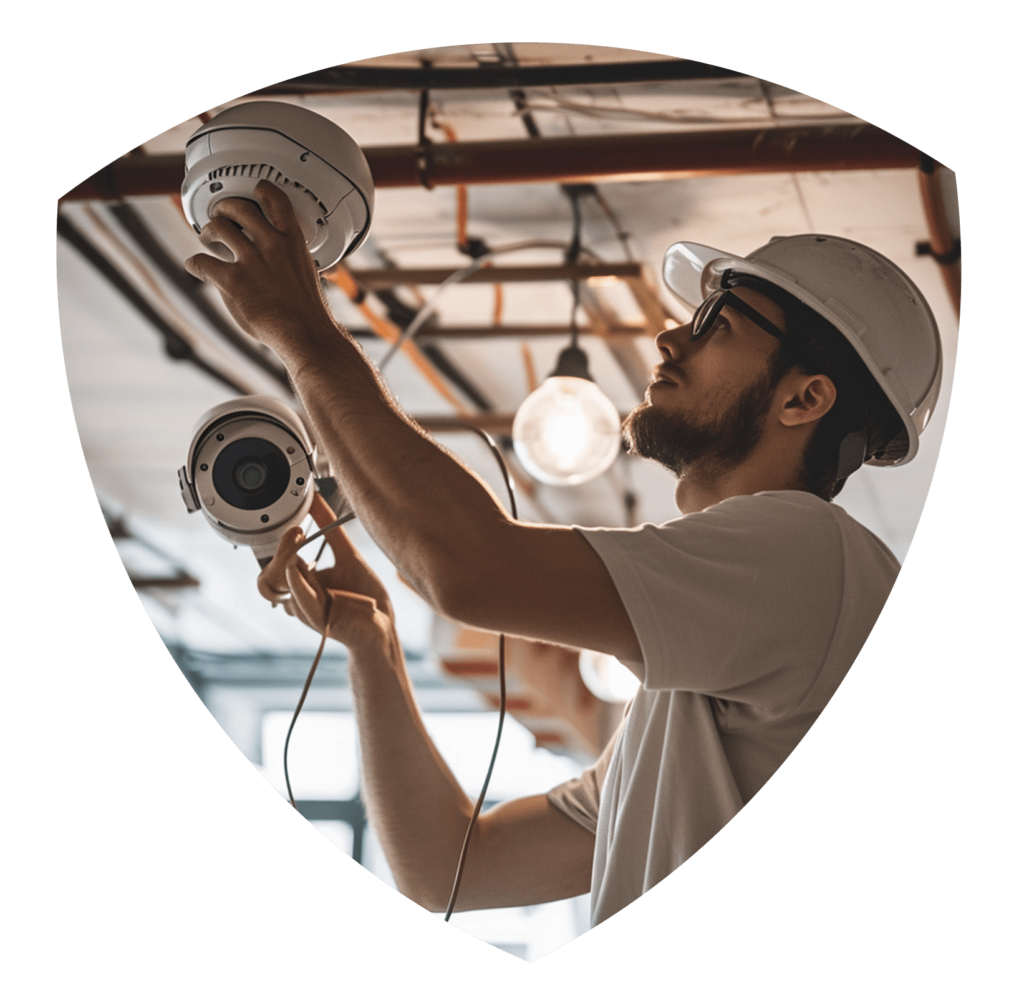
Our technicians install speakers (and more cameras if necessary), connect your CCTV and configure it to integrate with our state-of-the-art system.
Stream
Streaming continuous live footage from your site, our remote guards watch out for threats and suspicious activity, reacting swiftly if anything is noticed.
Secure
They’ll issue warnings via loudspeaker, dispatch law enforcement where necessary and communicate closely with the police department to apprehend the criminals efficiently.
Relax
You’re free to focus on other aspects of your business, knowing that under the watchful eyes of our skilled team, your property is safe from damage or theft.
Protecting Tenants' Belongings and Your Reputation
Renters trust you with things that matter to them. When units get broken into, the cost isn’t only the damaged doors. It’s tenants who move out, reviews that warn others away, and claims that take time to sort out.
Strong self-storage security surveillance helps on both sides:
- Before a break-in. Visible cameras, loudspeakers and an operator who speaks up make your facility a harder target than the one down the road.
- After an incident. Recorded footage shows what happened, when and who was involved. That helps police, your insurer and the tenant who reported the loss.
- When renters compare. Many facilities advertise “surveillance-monitored storage.” A facility with operators actually watching live has something concrete to point to.
Warehouses and Other Storage Sites
The same approach works for warehouses and distribution centers, where the stakes are often higher. Verisk CargoNet estimated cargo theft losses at nearly $725 million in 2025, up 60% from 2024, with warehouses and distribution centers among the most targeted locations.
A warehouse holds more value in one building than a storage facility holds across hundreds of units, and it’s usually a single business’s stock. Operators focus on the places where goods leave:
- Loading docks and bay doors. Doors left open, trucks arriving after hours, and anyone handling freight after the shift ends.
- Trailer and container yards. Loaded trailers parked overnight are easy to hitch and drive off, so operators watch the yard and the gate.
- Fence lines and roof access. Large buildings on large lots give intruders plenty of quiet edges to work on.
- Inside the building. Monitored cameras also deter theft by staff, because people behave differently when they know someone is actually watching.
Warehouses with valuable machinery or high-value merchandise get the same response as any storage site: a live warning over the loudspeaker, then police if the person doesn’t leave. For warehouse-specific advice, read our guide to warehouse security monitoring in NYC.
Your gate system, locks and staff stay as they are. Monitex adds trained people watching them. For more on how our monitoring center operates, visit our live video monitoring solutions page.
Why Storage Operators Choose Monitex
- Coverage that never clocks out. Operators work in shifts, so your cameras are watched every hour of the day, all year.
- Far less than guards. Live monitoring costs a fraction of what a guard on patrol would, whatever the size of your facility.
- Uses what you have. We connect your current cameras and fill gaps only where needed.
- One team for the whole site. Gate, fence, aisles and office are watched by the same operators, who can see the whole property at once.
Running a commercial storage property? Our commercial storage unit security guide covers the risks business tenants face.
Get reliable, affordable security for your storage spaces.

Storage Facility Monitoring FAQs
Do operators watch during access hours or only at night?
Both. Operators watch your cameras 24/7. At night they treat anyone on the property as an intruder; during access hours they watch for behavior that doesn’t fit a tenant visiting their own unit.
Can you protect a facility with no manager on site?
Yes. That’s where live monitoring helps most. Operators cover the property whether or not staff are there, and they call police directly when needed, so an unstaffed facility isn’t left on its own.
Does live monitoring replace our gate access system?
No. Your keypad or app-based gate still controls who gets in. Live monitoring watches what happens after they do, and catches people who get in without using the gate at all.
How does this compare with a guard driving around the property?
A patrol guard sees one row at a time and is gone for most of the night. Operators watch every connected camera at once, all night, and can speak to an intruder within moments of spotting them.