
Last updated:
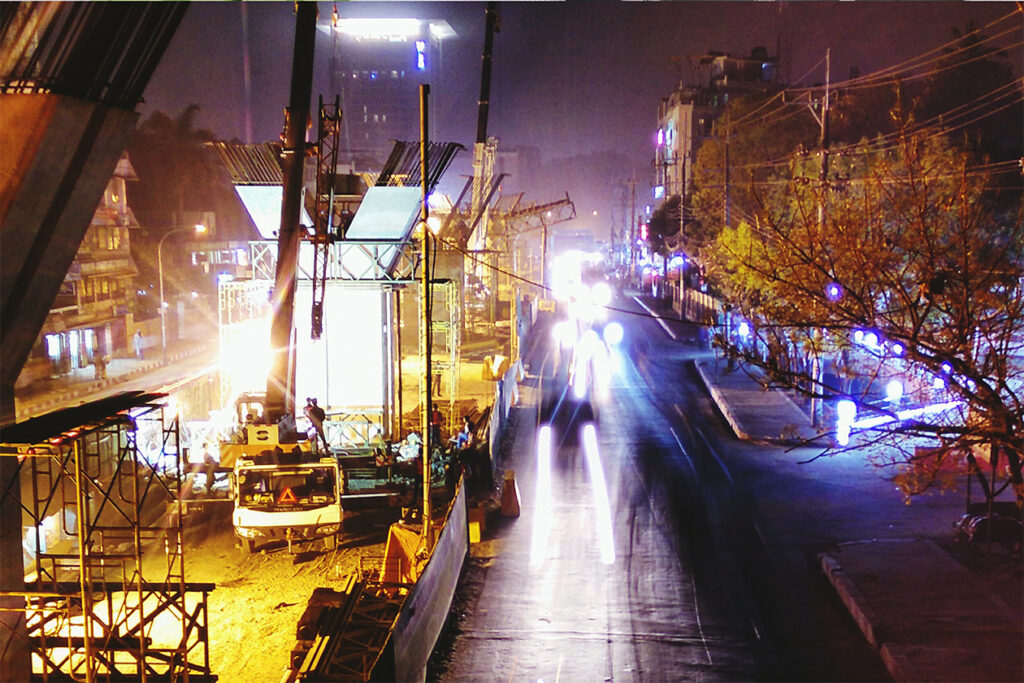
A construction site at night needs two kinds of protection: safety controls for crews working after dark, and security for the site once everyone leaves. For night crews, that means even lighting, high-visibility clothing, fatigue management and clear communication. For an empty site, it means fencing, locked equipment and cameras that someone watches live. Monitex Security provides the live monitoring, warning intruders over loudspeakers and calling police.
KEY TAKEAWAYS
- Highway and urban projects often move to night to avoid daytime traffic, which brings visibility and fatigue hazards.
- NIOSH training on shift work notes accident and error risk rises about 28% on night shifts compared with day shifts.
- Night crews need balanced lighting, high-visibility apparel and regular check-ins.
- Sites left empty overnight are exposed to theft, vandalism and trespassers.
- Live monitoring covers the hours no one is on site and backs up night crews when they are.
Construction Site at Night
A construction site at night is one of two things: a work zone running under floodlights, or a dark, empty lot full of equipment. Both carry risk. Night crews deal with glare, shadows and fatigue. Empty sites attract thieves and trespassers who know nobody is watching.
This guide covers both, and where live monitoring from Monitex fits in.
Contact For Inquiry to plan night coverage for your site in a free consultation.
Why Construction Happens at Night
Most night construction is about traffic. The Federal Highway Administration notes that high traffic volumes make daytime work near travel lanes disruptive and risky, so “all kinds of highway work are increasingly scheduled for off-peak periods, particularly at night”. Some urban projects also move deliveries, crane lifts or utility work overnight to keep streets and businesses open during the day.
The Risks of Working After Dark
FHWA lists the main hazards of night work zones as reduced visibility, driver fatigue and a higher risk of impaired drivers. On site, the problems are similar:
- Visibility: shadows, glare and dark edges of the work area hide hazards and people.
- Fatigue: NIOSH training material on shift work reports that, compared with day shifts, the risk of accidents and errors rises about 28% on night shifts.
- Isolation: smaller crews and fewer people nearby mean slower help when something goes wrong.
Safety Basics for Night Crews
- Light it evenly. Use light towers and task lighting to remove dark spots without blinding operators. OSHA’s 29 CFR 1926.56 sets a minimum of 5 foot-candles for general construction areas, and more for some tasks.
- Be seen. On road projects, the federal work zone manual (MUTCD) requires high-visibility safety apparel meeting ANSI 107 Class 2 or 3 for workers exposed to traffic. Use high-visibility gear on any site where equipment moves at night.
- Manage fatigue. Schedule breaks, rotate demanding tasks and watch for tired operators.
- Keep everyone in touch. Radios, regular check-ins and a clear emergency plan for each shift.
- Respect neighbors. Check your local noise ordinance and permit hours, and tell nearby residents and businesses before night work starts.
Planning a Night Shift on a Construction Site
Most night problems start with a plan made in daylight. Before the first night shift:
- Walk the site at dusk. Dark corners, glare from light towers and unlit edges only show up after sunset.
- Map the lighting. Place towers for each task area, walkways, equipment paths and the site entrance, and assign someone to move them as work shifts.
- Set the traffic plan. On road work, confirm lane closures, flaggers and lit signs; on building sites, separate delivery routes from walking paths.
- Write the emergency plan. Include who to call, where the nearest hospital is, and how emergency crews reach the site in the dark.
- Agree who watches the rest of the site. Decide which areas the crew covers and which are monitored remotely, so no gate or yard is left unwatched.
Securing the Site When the Lights Go Out
Most sites don’t work at night; they sit empty. That’s when theft, vandalism and trespassing happen. The basics still apply: a solid fence, locked gates, lit equipment yards, machines immobilized and tools locked away. For the full checklist, see how to secure a construction site.
What those measures can’t do is respond. A fence slows an intruder down, and a recording shows you the theft the next morning. Someone has to be watching.
How Live Monitoring Protects a Construction Site at Night
Monitex provides construction site live video monitoring for the hours your site is closed:
- Operators watch live and verify every movement they see before deciding how to respond.
- Loudspeakers let them warn intruders the moment they step onto the site.
- Police dispatch with a verified description if the warning doesn’t work.
- Your superintendent gets a call about anything that needs attention, like an open gate or a downed fence panel.
- Low-light and infrared cameras keep the picture usable after dark
- Incident reports and mobile app access give your team a record of each night.
On sites with night crews, monitoring can also cover the areas the crew isn’t using, like the equipment yard and the far gate. Choosing the right equipment matters too: see our guide to construction site security cameras.
Once cameras, power and internet are in place, setup takes a few hours to a few days. Learn how it works, or explore our live video monitoring and virtual security guard services.
[ADD] A night-time incident example: what operators saw, how they responded and the outcome, with the contractor’s permission.
Construction Site at Night FAQs
Why are they doing construction at night?
Usually to avoid traffic. Highway and city projects schedule work for off-peak hours, particularly at night, so lanes and streets stay open during the day and crews face fewer passing vehicles.
Is it safe to work on a construction site at night?
It can be, with the right controls: even lighting, high-visibility clothing, fatigue management, clear communication and a plan for emergencies. Visibility and tiredness are the main extra risks after dark.
How much light does a construction site need at night?
OSHA requires at least 5 foot-candles for general construction areas, with higher levels for some work areas. Plan for more than the minimum at edges, walkways and equipment zones, where hazards are hardest to see.
What time can construction noise start?
It depends on your city or county. Noise ordinances and permit conditions set the allowed hours and limits, so check locally before scheduling night work.
How do you protect a construction site at night when no one is working?
Fence and light the site, lock gates and containers, immobilize equipment, and use live video monitoring so someone can warn intruders and call police while it’s happening.
Keep Your Site Covered After Dark
Whether your crew works through the night or goes home at five, Monitex keeps watch over your site’s cameras. Learn more about Monitex Security.
Contact for inquiry to schedule your free consultation.