
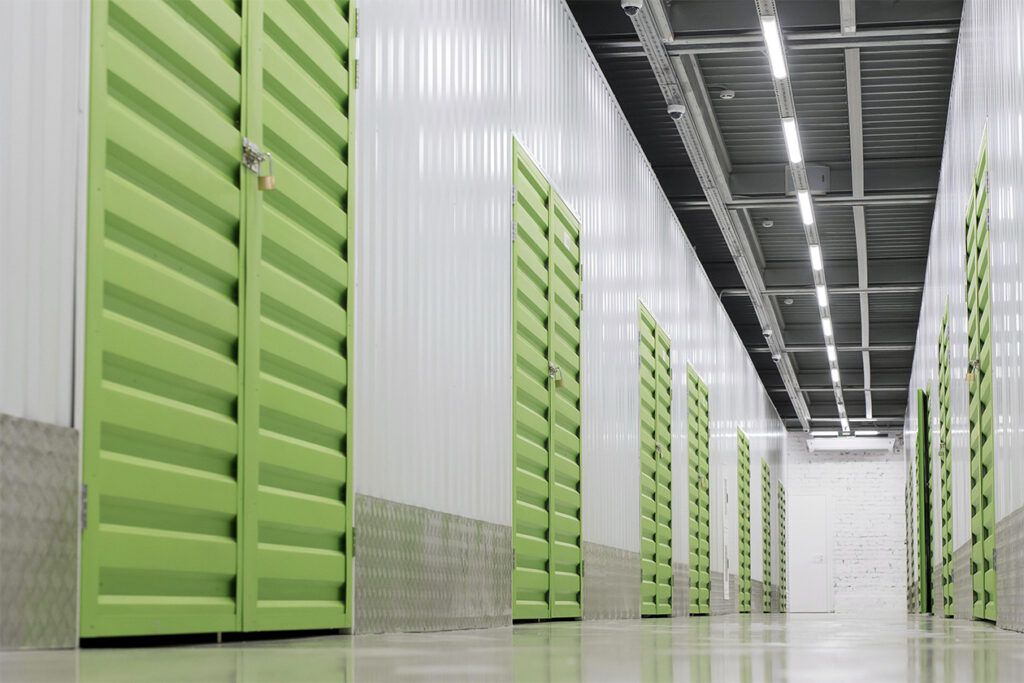
Self-storage facility safety and security comes down to layers: a fenced perimeter with a controlled gate, individual access codes, good lighting, cameras covering the gate, fence and aisles, unit door alarms, and someone watching or responding after hours. How secure self storage is depends on how many of those layers a facility has and whether they’re maintained. Intrusion prevention works best when it detects people at the fence line before they reach a unit.
Key Takeaways
- The U.S. has about 58,000 self-storage facilities, and most are quiet, lightly staffed properties with many people holding access codes.
- Self storage is only as secure as its layers: perimeter, access control, lighting, cameras, alarms and response.
- Shared or stale gate codes and tailgating at the gate are among the easiest ways in.
- Intrusion prevention is about stopping people at the fence, not discovering a cut lock the next morning.
- Vehicle and RV storage lots need perimeter and row-by-row coverage because there are no walls between targets.
Self-Storage Facility Safety and Security Tips: A Guide for Owners and Managers
Self storage keeps growing. The number of U.S. facilities rose from 52,301 to 57,981 in a year, according to the Self-Storage Almanac 2025. Most of those properties share the same profile: rows of identical doors, a keypad at the gate, a manager who leaves in the afternoon and hundreds of tenants with their own codes. That makes them easy to run, and easy to target.
This guide covers how secure self storage really is, the threats facilities face, practical self-storage facility safety and security tips, and how intrusion prevention works for both unit buildings and vehicle storage. If you’re reviewing security at your own facility, contact for inquiry and we’ll talk it through.
How Secure Is Self Storage?
Self storage is as secure as the layers a facility puts in place, and as well as it keeps them working. A well-run facility has a fence and a controlled gate, a unique code for every tenant, bright lighting, cameras on the gate, fence line and drive aisles, and someone who responds when something looks wrong. A facility with a broken fence, shared codes and cameras nobody watches is a much easier target.
Tenants increasingly ask about this before they sign. For owners, visible, working security is part of what you sell.
Common Security Threats at Self-Storage Facilities
- Lock cutting and unit burglary, often several units in one visit, usually after hours.
- Shared and stale codes. Codes get passed around, and former tenants keep codes that still work.
- Tailgating at the gate. A car follows a tenant’s vehicle through before the gate closes.
- Renters casing the property. Someone rents a small unit to gain legitimate access and look around.
- Trespassing and loitering, including people sleeping in units, aisles or vehicles.
- Vehicle and RV theft or break-ins on open outdoor lots.
- Fire and water damage that goes unnoticed in a closed unit.
Self-Storage Facility Safety and Security Tips
- Keep the perimeter solid. Repair fencing promptly, clear vegetation along the fence line, and keep entry points to the gate and office.
- Give every tenant a unique code. Log entries, deactivate codes the day a tenant moves out, and review access logs for odd hours.
- Stop tailgating. Set the gate to close quickly behind each vehicle, and watch the gate on camera.
- Light the whole property. Gates, drive aisles, building entrances and the far rows should all be bright. Dark corners are where locks get cut.
- Cover the right places with cameras. Gate and keypad, fence line, every drive aisle, building entrances, hallways in climate-controlled buildings, and the office. Our guide to camera coverage covers placement.
- Add unit door alarms where you can, so an opened door outside the tenant’s access is flagged.
- Encourage strong locks. Disc or cylinder locks are much harder to cut than standard padlocks. Many facilities sell them at the counter.
- Check ID at rental. Verify identity and contact details for every new tenant.
- Plan for staff and tenant safety. Avoid leaving one employee alone at closing, keep an emergency plan with contacts and manual gate instructions, and keep the property well lit for tenants visiting at night.
- Have a response after hours. Alarms and cameras are only useful if someone sees the alert and acts on it.
Intrusion Prevention for Self Storage
Intrusion prevention for self storage means stopping people before they reach a unit, not discovering a cut lock the next morning. It works in four layers:
- Detect at the fence line and gate, with cameras and perimeter coverage that show someone climbing or slipping in.
- Deter with lighting, signage and a live voice warning that tells people they’ve been seen.
- Delay with fencing, gates and strong locks, so intruders need time and tools.
- Respond with someone who calls police while the intruder is still on the property.
Most facilities have the first three in some form. The gap is usually response: after closing, nobody is watching.
Intrusion Prevention for Vehicle Storage
Vehicle, RV and boat storage lots are harder to protect because there are no walls between targets. Thieves can walk the rows, check doors and remove parts or whole vehicles. Intrusion prevention for vehicle storage relies on a strong perimeter, bright row-by-row lighting, cameras that cover every row and the gate, and live monitoring that catches someone moving between vehicles after hours. Our parking lot video surveillance page covers similar open-lot coverage.
Security for Climate-Controlled Buildings
Climate-controlled buildings often hold higher-value contents, such as business inventory, documents, electronics and collections, behind a single entrance. Control that entrance with its own code or card reader, cover every hallway and elevator with cameras, and keep after-hours access to the building tighter than access to outdoor units. Because hallways are enclosed and out of sight from the office, interior coverage matters as much as the gate.
Why Live Monitoring Closes the Gap
Recorded cameras tell you which unit was emptied and when. Live video monitoring puts trained operators behind your cameras in real time. When someone climbs the fence, cuts a lock or lingers where they shouldn’t, an operator warns them over a loudspeaker and calls police while they’re still on site. During access hours, operators watch for behavior that doesn’t fit a tenant visiting their own unit. Our remote access control can also help manage the gate.
Protect Your Storage Facility With Monitex Security
Monitex Security’s trained operators watch self-storage and vehicle storage properties live, every hour of the day:
- Eyes on the gate, fence, aisles and rows. Operators watch where intruders actually get in.
- A voice on site. Loudspeakers let operators warn intruders before a lock is cut.
- Police while it’s happening. Operators call police while intruders are still on the property.
- Your cameras first. We connect the cameras you already have and point out gaps in coverage.
Whether you run one facility or several, see our live video monitoring for storage facilities or contact for inquiry and we’ll walk through your property with you.